-
Table of Contents
The Dangers of Comparing Yourself to Others
Comparison is a natural human tendency. From a young age, we are taught to measure ourselves against our peers, whether it be in academics, sports, or appearance. However, constantly comparing ourselves to others can have detrimental effects on our mental health and overall well-being. In this article, we will explore the dangers of comparing yourself to others and provide strategies to break free from this harmful habit.
The Comparison Trap
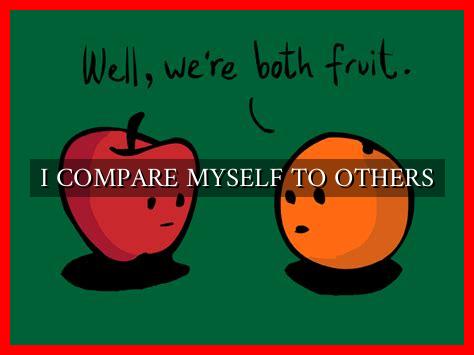
When we compare ourselves to others, we often focus on their strengths and our perceived weaknesses. This can lead to feelings of inadequacy, jealousy, and low self-esteem.
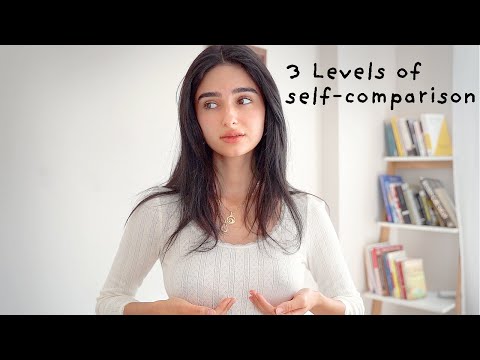
. Social media exacerbates this issue, as we are bombarded with carefully curated images of people’s seemingly perfect lives. According to a study by the National Institute of Mental Health, constant comparison on social media can contribute to depression and anxiety.
Case Study: Sarah’s Struggle
Sarah, a 25-year-old marketing professional, found herself constantly comparing her career progression to her colleagues. She would scroll through LinkedIn and see her peers landing prestigious jobs and promotions, while she felt stuck in her current role. This comparison led to feelings of inadequacy and self-doubt, impacting her performance at work and her overall happiness.
The Illusion of Perfection
When we compare ourselves to others, we often only see their highlight reel. We don’t see the struggles, failures, and insecurities that they may be facing behind the scenes. This can create an unrealistic standard of perfection that is impossible to achieve. Psychologist Leon Festinger coined the term “social comparison theory,” which suggests that we determine our own social and personal worth based on how we stack up against others.
Statistics on Social Comparison
- According to a survey by the American Psychological Association, 60% of adults compare themselves to others on social media.
- Research published in the Journal of Personality and Social Psychology found that frequent social comparison is linked to lower self-esteem and higher levels of depression.
Breaking Free from Comparison
It’s important to recognize that comparison is a natural instinct, but it doesn’t have to control our lives. Here are some strategies to break free from the comparison trap:
- Practice gratitude: Focus on what you have rather than what you lack. Keep a gratitude journal to remind yourself of the positive aspects of your life.
- Limit social media use: Take breaks from social media or unfollow accounts that trigger feelings of comparison. Remember that people only share the highlights of their lives online.
- Celebrate your achievements: Instead of comparing yourself to others, celebrate your own accomplishments and progress. Recognize your unique strengths and talents.
Conclusion
Comparing yourself to others is a common but harmful habit that can negatively impact your mental health and self-esteem. By recognizing the dangers of comparison and implementing strategies to break free from this mindset, you can cultivate a healthier relationship with yourself and others. Remember, you are unique and worthy just as you are.