-
Table of Contents
How to Compare Travel Insurance
Travel insurance is an essential aspect of trip planning that often gets overlooked. It provides financial protection against unforeseen events such as trip cancellations, medical emergencies, lost luggage, and more. With so many options available in the market, it can be overwhelming to choose the right travel insurance policy. In this article, we will discuss how to compare travel insurance effectively to find the best coverage for your needs.
1. Determine Your Needs
Before comparing travel insurance policies, it is crucial to assess your specific needs. Consider factors such as:
- Destination: Some policies may have exclusions for certain countries or regions.
- Duration of the trip: Longer trips may require more comprehensive coverage.
- Activities: If you plan to engage in adventurous activities like skiing or scuba diving, make sure your policy covers them.
2. Compare Coverage Options
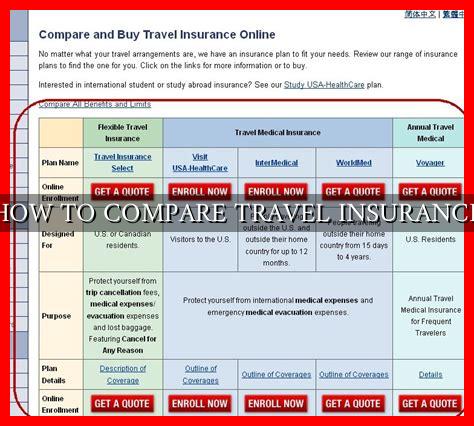
When comparing travel insurance policies, look at the coverage options provided by each insurer. Some common coverage areas to consider include:
- Trip cancellation and interruption
- Emergency medical expenses
- Lost or delayed baggage
- Emergency evacuation
- Travel delays
Make sure to read the policy documents carefully to understand the coverage limits, exclusions, and any additional benefits offered.
3. Check the Policy Exclusions
Every travel insurance policy comes with exclusions that specify what is not covered. Some common exclusions include pre-existing medical conditions, high-risk activities, and acts of terrorism. Be aware of these exclusions to avoid any surprises when making a claim.
4. Compare Premiums and Deductibles
When comparing travel insurance policies, consider the premiums and deductibles associated with each policy. While a lower premium may seem attractive, it could also mean less coverage or higher deductibles. Evaluate the cost-benefit ratio to find a policy that offers the best value for money.
5. Read Reviews and Ratings
Before making a decision, read reviews and ratings of different travel insurance providers. Websites like InsureMyTrip and Squaremouth offer customer reviews and ratings to help you gauge the reputation and customer service of each insurer.
6. Consider Add-Ons and Optional Coverages
Some travel insurance policies offer add-ons or optional coverages that can enhance your protection. Examples include rental car coverage, adventure sports coverage, and cancel for any reason coverage. Evaluate these options based on your needs and budget.
7. Compare Customer Service and Claims Process
Lastly, consider the customer service and claims process of each travel insurance provider. Look for insurers with a reputation for excellent customer service and a straightforward claims process. In case of an emergency, you want to be able to reach your insurer easily and get timely assistance.
Summary
Comparing travel insurance policies is essential to find the right coverage for your needs. By determining your needs, comparing coverage options, checking policy exclusions, evaluating premiums and deductibles, reading reviews, considering add-ons, and assessing customer service, you can make an informed decision. Remember to research thoroughly and choose a policy that offers comprehensive coverage at a competitive price.
For more information on travel insurance comparison, you can visit InsureMyTrip or Squaremouth.