Table of Contents
Compare and Contrast Eustress with Distress
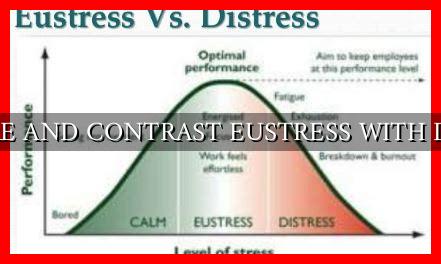
Stress is a common phenomenon that affects individuals in various aspects of their lives. While most people associate stress with negative outcomes, it is important to understand that not all stress is harmful. In fact, stress can be categorized into two main types: eustress and distress. This article will explore the differences between eustress and distress, their effects on individuals, and how they can impact overall well-being.
Eustress: The Positive Side of Stress
Eustress is a type of stress that is considered positive and beneficial for individuals. It is often associated with feelings of excitement, motivation, and fulfillment.

. Eustress can arise from situations that are challenging but manageable, such as starting a new job, getting married, or participating in a competitive sports event. This type of stress can help individuals improve their performance, increase their productivity, and enhance their overall well-being.
- Eustress is often short-term and can lead to feelings of accomplishment and satisfaction.
- It can help individuals build resilience and cope with future challenges more effectively.
- Examples of eustress include planning a vacation, preparing for a presentation, or learning a new skill.
Distress: The Negative Side of Stress
On the other hand, distress is a type of stress that is considered negative and harmful to individuals. It is often associated with feelings of anxiety, fear, and overwhelm. Distress can arise from situations that are perceived as threatening, uncontrollable, or overwhelming, such as losing a job, experiencing a traumatic event, or dealing with a chronic illness. This type of stress can have detrimental effects on individuals’ physical and mental health.
- Distress is often long-term and can lead to feelings of burnout, depression, and anxiety.
- It can weaken the immune system, increase the risk of chronic diseases, and impair cognitive function.
- Examples of distress include financial problems, relationship conflicts, or work-related stress.
Effects on Well-Being
The key difference between eustress and distress lies in their effects on individuals’ well-being. While eustress can have positive outcomes and contribute to personal growth and development, distress can have negative consequences and lead to physical and emotional health problems. It is important for individuals to recognize the signs of distress and take steps to manage and reduce it in order to maintain a healthy and balanced lifestyle.
Research has shown that individuals who experience high levels of eustress are more likely to have a positive outlook on life, better coping mechanisms, and higher levels of satisfaction and happiness. On the other hand, individuals who experience high levels of distress are more likely to suffer from anxiety, depression, and other mental health issues.
Conclusion
In conclusion, eustress and distress are two different types of stress that can have varying effects on individuals’ well-being. While eustress can be beneficial and lead to personal growth and fulfillment, distress can be harmful and lead to negative outcomes. It is important for individuals to recognize the differences between eustress and distress, and take steps to manage and reduce stress in order to maintain a healthy and balanced lifestyle.
By understanding the impact of stress on our lives, we can make informed decisions to promote our overall well-being and achieve a sense of balance and fulfillment.