

-
Table of Contents
6 SIGMA: WHAT IS IT?
When it comes to improving processes and reducing defects, Six Sigma is a methodology that has gained significant popularity in various industries. Originally developed by Motorola in the 1980s, Six Sigma has since been adopted by companies like General Electric, Ford, and Amazon to enhance efficiency and quality. But what exactly is Six Sigma and how does it work?
Understanding Six Sigma
Six Sigma is a data-driven approach to process improvement that aims to minimize variability and defects in products and services. The term “Six Sigma” refers to a statistical concept that measures how far a process deviates from perfection. In Six Sigma, the goal is to achieve a level of quality where there are no more than 3.4 defects per million opportunities.
The DMAIC Methodology
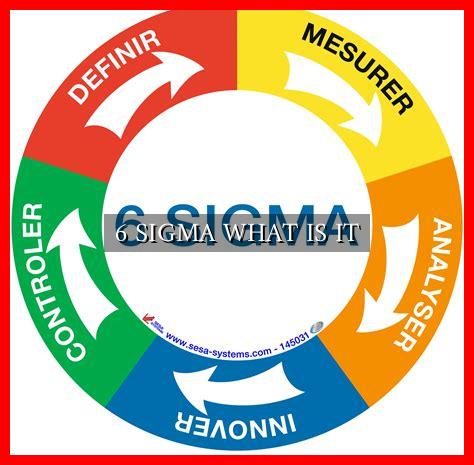
One of the key components of Six Sigma is the DMAIC methodology, which stands for Define, Measure, Analyze, Improve, and Control.

. This structured approach helps organizations identify areas for improvement and implement solutions effectively. Let’s break down each step:
- Define: In this phase, the project goals and customer requirements are clearly defined.
- Measure: Data is collected to quantify the current process performance and identify areas of improvement.
- Analyze: The data is analyzed to identify root causes of defects and inefficiencies.
- Improve: Solutions are developed and implemented to address the identified issues.
- Control: Processes are monitored and controlled to sustain the improvements over time.
Benefits of Six Sigma
Implementing Six Sigma can lead to a wide range of benefits for organizations, including:
- Improved quality and customer satisfaction
- Increased efficiency and productivity
- Reduced costs and waste
- Enhanced decision-making based on data
Case Study: General Electric
General Electric is a prime example of a company that has successfully implemented Six Sigma to drive business results. Under the leadership of former CEO Jack Welch, GE saved billions of dollars by applying Six Sigma principles across its operations. By focusing on quality and process improvement, GE was able to deliver better products and services to its customers while reducing defects and waste.
Conclusion
Six Sigma is a powerful methodology that can help organizations achieve significant improvements in quality, efficiency, and customer satisfaction. By following the DMAIC methodology and focusing on data-driven decision-making, companies can drive positive change and stay ahead of the competition. Whether you work in manufacturing, healthcare, finance, or any other industry, Six Sigma can be a valuable tool for continuous improvement and success.
For more information on Six Sigma and its applications, visit Six Sigma Online.
