

-
Table of Contents
Understanding Implantation Bleeding
Implantation bleeding is a common phenomenon that many women experience during early pregnancy. It occurs when the fertilized egg attaches itself to the lining of the uterus, causing some light spotting or bleeding. While it can be mistaken for a regular menstrual period, implantation bleeding is usually lighter in flow and shorter in duration.
What Causes Implantation Bleeding?
Implantation bleeding occurs around 6-12 days after conception when the fertilized egg travels down the fallopian tube and implants itself into the uterine lining. This process can cause some minor trauma to the blood vessels in the uterus, leading to light bleeding or spotting.
How to Differentiate Implantation Bleeding from a Regular Period
It can be challenging to distinguish between implantation bleeding and a regular period, especially if you are not actively trying to conceive. However, there are some key differences to look out for:
- Implantation bleeding is usually lighter in flow and shorter in duration compared to a regular period.
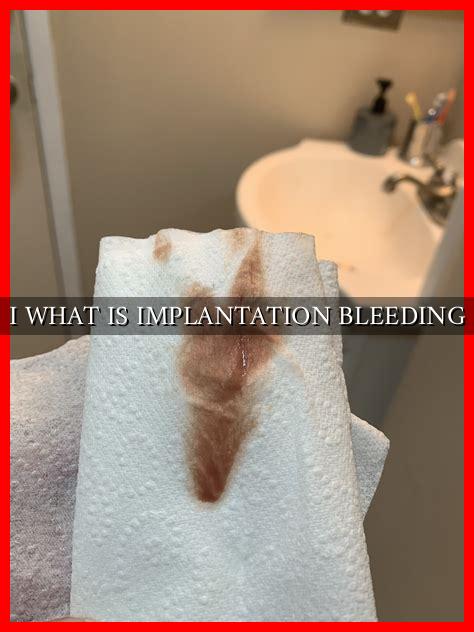
- Implantation bleeding may be pink or brown in color, while menstrual blood is typically bright red.
- Implantation bleeding may occur around the time of your expected period or a few days earlier, whereas a regular period follows a predictable cycle.
Common Symptoms of Implantation Bleeding
Aside from light spotting or bleeding, some women may experience other symptoms during implantation, such as:
- Mild cramping
- Breast tenderness
- Fatigue
- Nausea
When to Consult a Healthcare Provider
While implantation bleeding is generally considered normal and harmless, it is essential to consult a healthcare provider if you experience any of the following symptoms:
- Heavy bleeding
- Severe abdominal pain
- Fever
- Dizziness or fainting
Conclusion
Implantation bleeding is a natural part of the early stages of pregnancy and is usually nothing to be concerned about.

. However, it is essential to be aware of the signs and symptoms to differentiate it from a regular period or other potential complications. If you suspect you may be pregnant and experience any unusual symptoms, it is always best to consult a healthcare provider for guidance and support.
For more information on implantation bleeding, you can visit Mayo Clinic’s website.
