-
Table of Contents
The Evolution of iPhone Jack Types: From 3.5mm to Lightning to USB-C
Apple’s iPhone has been a trailblazer in the smartphone industry, setting trends and pushing boundaries with each new iteration. One of the key features that has undergone significant changes over the years is the headphone jack type. In this article, we will explore the evolution of iPhone jack types, from the traditional 3.5mm headphone jack to the Lightning connector and the potential shift to USB-C.
The 3.5mm Headphone Jack Era
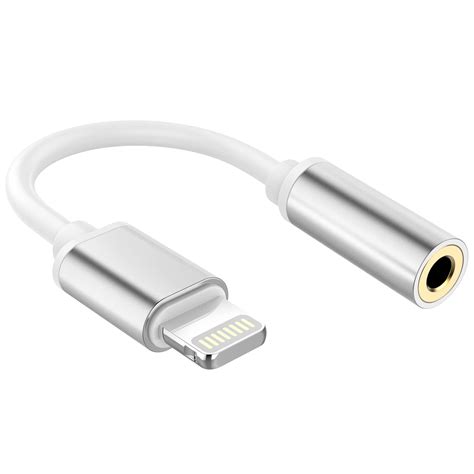
For many years, the 3.5mm headphone jack was a ubiquitous feature on smartphones, including the iPhone. This standard audio jack allowed users to easily connect their headphones or external speakers without the need for adapters or dongles. However, with the release of the iPhone 7 in 2016, Apple made a controversial decision to remove the headphone jack, citing the need for more space for other components and the push towards wireless audio technology.
The Rise of the Lightning Connector
Following the removal of the headphone jack, Apple introduced the Lightning connector as the primary method for audio output on its devices. The Lightning connector offered several advantages, including faster data transfer speeds, improved audio quality, and the ability to charge the device while listening to music. However, this move also sparked criticism from users who had invested in traditional headphones and accessories that relied on the 3.5mm jack.
The Potential Shift to USB-C
With the introduction of USB-C on the latest MacBook models and iPad Pro, there have been speculations that Apple might adopt this universal connector for future iPhone models as well. USB-C offers several benefits, including faster charging speeds, compatibility with a wide range of devices, and the ability to transfer both power and data through a single cable. If Apple decides to make the switch to USB-C, it could potentially streamline the user experience and reduce the need for multiple adapters and cables.
Conclusion
In conclusion, the evolution of iPhone jack types reflects Apple’s commitment to innovation and pushing the boundaries of technology. While the removal of the 3.5mm headphone jack was met with mixed reactions, the transition to the Lightning connector has paved the way for new possibilities in audio technology. The potential shift to USB-C could further enhance the user experience and bring about a new era of connectivity for iPhone users. As Apple continues to push the envelope with each new iPhone release, it will be interesting to see how the jack type evolves in the future.