-
Table of Contents
Australian Surfer Shark Attack: Understanding the Risks and Precautions
Surfing is a popular water sport enjoyed by millions around the world, but the thrill of riding the waves comes with its own set of risks. One of the most feared dangers for surfers is the possibility of a shark attack. Australia, known for its beautiful beaches and world-class surf breaks, has seen its fair share of shark encounters over the years. In this article, we will delve into the topic of Australian surfer shark attacks, exploring the risks involved, precautionary measures, and how surfers can stay safe in the water.
The Reality of Shark Attacks in Australia
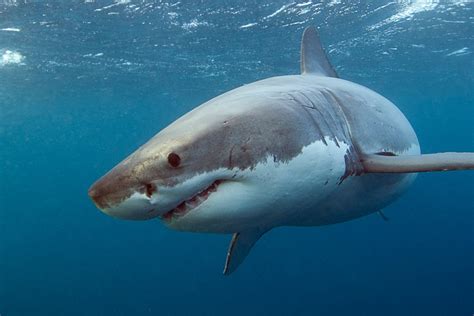
Australia is home to some of the most shark-infested waters in the world, with a high number of shark species inhabiting its coastal areas. According to the Australian Shark Attack File, there have been over 1,000 recorded shark attacks in the country since the early 1900s, with a significant number of these incidents involving surfers.
Notable Shark Attack Cases
- In 2015, professional surfer Mick Fanning had a close encounter with a great white shark during a competition at Jeffreys Bay in South Africa. The dramatic incident was captured on live television and sent shockwaves through the surfing community.
- In 2017, a surfer in Western Australia lost his leg in a shark attack while surfing at a popular beach near Perth. The incident highlighted the real dangers that surfers face when entering the ocean.
Understanding the Risks
Sharks are apex predators that Play a crucial role in maintaining the balance of marine ecosystems. While shark attacks on humans are rare, surfers are more at risk due to their presence in the water and the mistaken identity of surfboards as prey. Factors such as water temperature, time of day, and location can also influence the likelihood of a shark encounter.
Statistics on Shark Attacks
According to the International Shark Attack File, Australia ranks among the top countries for shark attacks, with an average of 15 incidents reported annually. The majority of these attacks occur in New South Wales, Queensland, and Western Australia, where popular surf spots attract both sharks and surfers.
Precautionary Measures for Surfers
While the risk of a shark attack cannot be completely eliminated, surfers can take certain precautions to minimize the chances of an encounter. Here are some safety tips for surfers:
- Avoid surfing alone, especially in remote or isolated areas where help may be limited.
- Stay informed about shark sightings and beach closures through local authorities and surf lifesaving organizations.
- Avoid surfing at dawn or dusk when sharks are most active and visibility is reduced.
- Use shark deterrent devices such as electronic repellents or shark shields to deter sharks from approaching.
Conclusion
Surfing in Australia offers an unparalleled experience for water enthusiasts, but it is essential for surfers to be aware of the potential risks posed by shark attacks. By understanding the behavior of sharks, staying informed about safety measures, and taking necessary precautions, surfers can enjoy their time in the water while minimizing the chances of a shark encounter. Remember, the ocean is a shared habitat, and respecting the marine environment is key to coexisting with these magnificent creatures.
For more information on shark safety and prevention, visit SharkSmart.