

-
Table of Contents
- Shark Attack US Map: Understanding the Risks
- The Geography of Shark Attacks in the US
- Florida
- California
- Hawaii
- Factors Contributing to Shark Attacks
- Conclusion
Shark Attack US Map: Understanding the Risks
Shark attacks have long captured the public’s imagination, fueled by sensationalized Media coverage and Hollywood movies. While these incidents are relatively rare, they can have devastating consequences for those involved. In the United States, shark attacks occur primarily along the coastlines of Florida, California, and Hawaii. Understanding the patterns and factors that contribute to these attacks can help beachgoers and swimmers make informed decisions to minimize their risk.
The Geography of Shark Attacks in the US
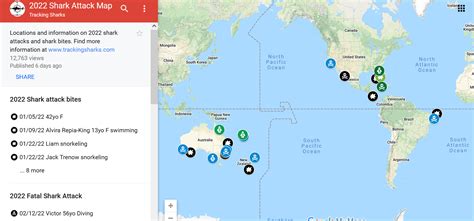
According to data from the International Shark Attack File (ISAF), Florida consistently ranks as the state with the highest number of shark attacks in the US. This is due to its long coastline, warm waters, and high population of both sharks and humans. California and Hawaii also see a significant number of shark attacks each year, primarily due to their popularity as tourist destinations and the presence of diverse shark species in their waters.
Florida
Florida’s Atlantic coast, particularly the area around New Smyrna Beach, is known as the “shark attack capital of the world.” This region sees a high number of shark attacks each year, largely due to the presence of blacktip and spinner sharks that frequent the shallow waters close to shore. Despite this reputation, the likelihood of a shark attack in Florida remains extremely low, with only a handful of incidents occurring each year.
California
California’s coastline is home to a variety of shark species, including great whites, makos, and threshers. While shark attacks are less common in California compared to Florida, they do occur, particularly in areas where sharks feed on seals and sea lions. The waters around San Francisco and Monterey Bay are known hotspots for shark activity, with several documented attacks in recent years.
Hawaii
Hawaii’s warm waters attract a diverse range of shark species, including tiger sharks, bull sharks, and reef sharks. Shark attacks in Hawaii are relatively rare, but they do happen, especially in areas where sharks are known to feed, such as near coral reefs and offshore fishing grounds. The state has implemented shark safety programs to educate residents and visitors about the risks of shark encounters and how to avoid them.
Factors Contributing to Shark Attacks
While shark attacks are statistically rare, there are several factors that can increase the likelihood of an encounter:
- Swimming in areas known for shark activity
- Wearing shiny jewelry or brightly colored clothing that may attract sharks
- Swimming at dawn or dusk when sharks are most active
- Being in the water near fishing boats or areas where fish are being cleaned
By being aware of these factors and taking precautions, beachgoers can reduce their risk of a shark attack.
Conclusion
While shark attacks may be a rare occurrence, it is important for beachgoers and swimmers to be informed about the risks and take precautions to minimize their chances of an encounter. By understanding the geography of shark attacks in the US, as well as the factors that contribute to these incidents, individuals can enjoy the ocean safely and responsibly. Remember, sharks Play a vital role in marine ecosystems, and it is our responsibility to coexist with them in their natural habitat.
For more information on shark attacks in the US, visit the Florida Museum’s Shark Attack Database.

