

-
Table of Contents
How Effective is Emotional Marketing for Customer Acquisition?
In today’s competitive marketplace, businesses are constantly seeking innovative strategies to attract and retain customers. One such strategy that has gained significant traction is emotional marketing. This approach leverages the power of emotions to create a connection between the brand and its audience, ultimately driving customer acquisition. But how effective is emotional marketing? In this article, we will explore the impact of emotional marketing on customer acquisition, supported by examples, case studies, and statistics.
Understanding Emotional Marketing
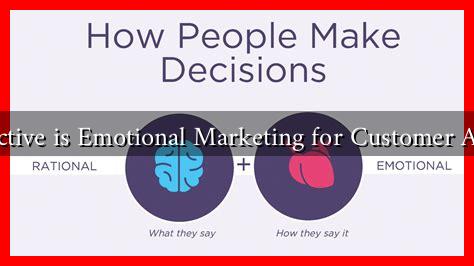
Emotional marketing is a strategy that aims to evoke specific feelings in consumers to influence their purchasing decisions. By tapping into emotions such as happiness, fear, nostalgia, or empathy, brands can create memorable experiences that resonate with their audience. This approach is grounded in the understanding that consumers often make decisions based on feelings rather than logic.
The Science Behind Emotional Marketing
Research indicates that emotional responses can significantly impact consumer behavior. According to a study by the American Marketing Association, emotionally charged advertisements are more likely to be remembered and shared. Here are some key findings:
- Emotional ads can increase brand recall by up to 23%.
- Consumers are 2.5 times more likely to make a purchase after viewing an emotional advertisement.
- Emotional connections can lead to higher customer loyalty, with emotionally engaged customers being 52% more valuable than those who are not.
Successful Examples of Emotional Marketing
Several brands have successfully harnessed emotional marketing to enhance customer acquisition. Here are a few notable examples:
- Apple: Apple’s marketing campaigns often evoke feelings of nostalgia and belonging. Their “Think Different” campaign celebrated innovators and dreamers, creating an emotional connection that resonates with consumers.
- Coca-Cola: Coca-Cola’s “Share a Coke” campaign personalized the brand experience by featuring popular names on their bottles. This simple yet effective strategy fostered feelings of happiness and connection, leading to a significant increase in sales.
- Always: The “Like a Girl” campaign by Always challenged gender stereotypes and empowered young girls. By addressing a social issue, the brand connected emotionally with its audience, resulting in increased brand loyalty and awareness.
The Role of Storytelling in Emotional Marketing
Storytelling is a powerful tool in emotional marketing. By crafting compelling narratives, brands can engage consumers on a deeper level. A well-told story can evoke empathy, inspire action, and create lasting memories. For instance, the “Dove Real Beauty” campaign used real women and their stories to challenge conventional beauty standards, fostering a sense of community and acceptance.
Challenges and Considerations
While emotional marketing can be highly effective, it is not without its challenges. Brands must be cautious to avoid manipulation or insincerity, as consumers can quickly detect inauthenticity. Here are some considerations for implementing emotional marketing:
- Ensure that the emotional message aligns with the brand’s values and mission.
- Be mindful of cultural sensitivities and avoid exploiting serious issues for commercial gain.
- Test emotional campaigns with target audiences to gauge their effectiveness and reception.
Conclusion
Emotional marketing has proven to be a powerful strategy for customer acquisition. By tapping into the emotions of consumers, brands can create meaningful connections that drive engagement and loyalty. Successful examples from industry leaders demonstrate the potential of this approach, while research supports its effectiveness in influencing purchasing decisions. However, brands must navigate the challenges of authenticity and cultural sensitivity to ensure their emotional marketing efforts resonate positively with their audience. In a world where consumers are bombarded with choices, emotional marketing offers a unique avenue for brands to stand out and foster lasting relationships with their customers.
