

-
Table of Contents
- How Important Is Acoustic Design for Creative Workspaces?
- The Role of Acoustic Design in Workspaces
- Impact on Creativity and Collaboration
- Case Studies: Successful Acoustic Design in Creative Workspaces
- Statistics Highlighting the Importance of Acoustic Design
- Conclusion: The Future of Acoustic Design in Creative Workspaces
How Important Is Acoustic Design for Creative Workspaces?
In the modern workplace, the design of physical spaces plays a crucial role in fostering creativity, collaboration, and productivity. Among the various elements of workspace design, acoustic design is often overlooked, yet it is fundamental to creating an environment conducive to creative work. This article explores the significance of acoustic design in creative workspaces, supported by research, case studies, and practical examples.
The Role of Acoustic Design in Workspaces
Acoustic design refers to the planning and implementation of sound control measures in a space to enhance the auditory experience. In creative workspaces, effective acoustic design can lead to improved focus, better communication, and increased overall satisfaction among employees. Here are some key aspects of acoustic design:
- Noise Control: Managing unwanted noise is essential for maintaining concentration and reducing stress levels.
- Sound Quality: The quality of sound in a workspace can influence how ideas are shared and developed.
- Privacy: Acoustic design can provide the necessary privacy for confidential discussions and brainstorming sessions.
Impact on Creativity and Collaboration
Research has shown that sound can significantly affect cognitive performance and creativity. A study published in the journal “The Effects of Ambient Noise on Creative Cognition” found that moderate levels of ambient noise can enhance creative thinking. Conversely, excessive noise can lead to distractions and hinder the creative process.
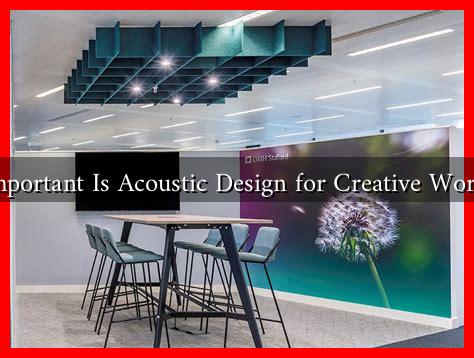
In collaborative environments, effective acoustic design can facilitate better communication among team members. For instance, open-plan offices, while popular for promoting collaboration, often suffer from high noise levels. Implementing acoustic panels, sound-absorbing materials, and designated quiet zones can help mitigate these issues, allowing for both collaboration and focused work.
Case Studies: Successful Acoustic Design in Creative Workspaces
Several companies have recognized the importance of acoustic design and have successfully integrated it into their workspaces. Here are a few notable examples:
- Google: Google’s offices are designed with a variety of spaces that cater to different work styles. They incorporate sound-absorbing materials and quiet zones to balance collaboration and concentration.
- Airbnb: The Airbnb headquarters features a mix of open spaces and private areas, with acoustic panels strategically placed to reduce noise levels while maintaining an open feel.
- Dropbox: Dropbox’s office design includes soundproof meeting rooms and collaborative spaces that allow for both teamwork and individual focus, demonstrating the importance of acoustic considerations in their layout.
Statistics Highlighting the Importance of Acoustic Design
Several studies and surveys have highlighted the impact of acoustic design on employee satisfaction and productivity:
- A survey by the Haworth found that 70% of employees reported that noise levels in their workspace negatively affected their productivity.
- According to a study by the Gartner Group, organizations that invest in acoustic design see a 20% increase in employee satisfaction.
Conclusion: The Future of Acoustic Design in Creative Workspaces
As the nature of work continues to evolve, the importance of acoustic design in creative workspaces cannot be overstated. By prioritizing sound management and creating environments that support both collaboration and concentration, organizations can enhance employee well-being and productivity. The examples and statistics presented in this article underscore the need for thoughtful acoustic design in fostering creativity and innovation. As we move forward, it is essential for businesses to recognize that a well-designed workspace is not just about aesthetics; it is about creating an environment where creativity can thrive.
