

Table of Contents
Why is Mental Well-Being Critical During Stressful Times
In an increasingly fast-paced world, stress has become a common experience for many individuals. Whether it’s due to work pressures, personal challenges, or global events, the impact of stress on mental well-being cannot be overstated. Understanding the importance of mental well-being during stressful times is crucial for maintaining overall health and resilience. This article explores the significance of mental well-being, the consequences of neglecting it, and practical strategies to enhance it during challenging periods.
The Importance of Mental Well-Being
Mental well-being encompasses emotional, psychological, and social health. It affects how we think, feel, and act, and it plays a vital role in how we handle stress, relate to others, and make choices. During stressful times, maintaining mental well-being is essential for several reasons:
- Resilience Building: Good mental health fosters resilience, enabling individuals to bounce back from adversity.
- Improved Decision-Making: A clear mind allows for better judgment and decision-making, which is crucial in high-pressure situations.
- Physical Health Connection: Mental well-being is closely linked to physical health; stress can lead to various health issues, including heart disease and weakened immune function.
- Enhanced Relationships: Positive mental health improves interpersonal relationships, which are vital for support during tough times.
Consequences of Neglecting Mental Well-Being
Failing to prioritize mental well-being during stressful periods can lead to a range of negative outcomes:
- Increased Anxiety and Depression: Chronic stress can exacerbate feelings of anxiety and depression, leading to a cycle of mental health issues.
- Burnout: Prolonged stress without adequate coping mechanisms can result in burnout, characterized by emotional exhaustion and reduced performance.
- Physical Health Decline: Stress can manifest physically, leading to conditions such as hypertension, obesity, and gastrointestinal issues.
- Social Isolation: Individuals may withdraw from social interactions, further exacerbating feelings of loneliness and despair.
Case Studies and Statistics
Research underscores the critical nature of mental well-being during stressful times. A study published in the journal Psychological Medicine found that individuals with strong mental health coping strategies were 50% less likely to experience severe anxiety during crises compared to those without such strategies. Furthermore, the World Health Organization (WHO) reported that depression and anxiety disorders cost the global economy approximately $1 trillion each year in lost productivity.
During the COVID-19 pandemic, mental health issues surged. According to a survey by the Centers for Disease Control and Prevention (CDC), 40.9% of U.S. adults reported struggling with mental health or substance use, highlighting the urgent need for mental health support during stressful times.
Strategies for Enhancing Mental Well-Being
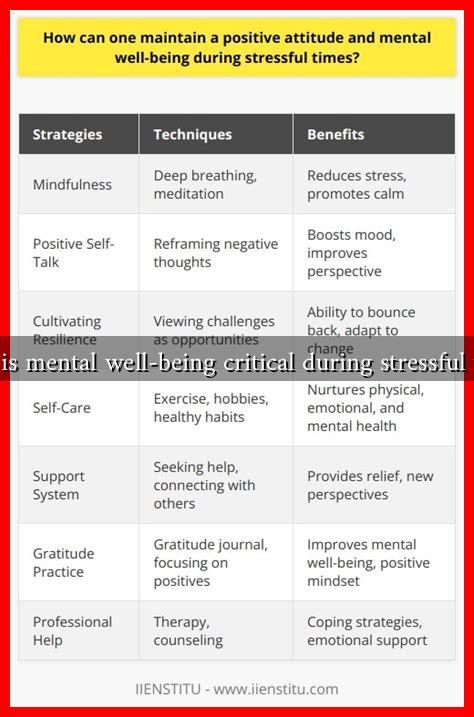
To navigate stressful periods effectively, individuals can adopt several strategies to enhance their mental well-being:
- Mindfulness and Meditation: Practicing mindfulness can help reduce stress and improve emotional regulation.
- Physical Activity: Regular exercise is proven to boost mood and reduce anxiety levels.
- Social Connections: Maintaining relationships and seeking support from friends and family can provide emotional relief.
- Professional Help: Consulting with mental health professionals can offer tailored strategies and support.
Conclusion
In conclusion, mental well-being is a critical component of navigating stressful times. The ability to manage stress effectively not only enhances individual resilience but also contributes to better physical health and improved relationships. By prioritizing mental health through practical strategies and seeking support when needed, individuals can better cope with challenges and emerge stronger. As we face ongoing uncertainties in our lives, recognizing the importance of mental well-being is more crucial than ever.
