

-
Table of Contents
What are the Benefits of Wellness-Centered Architecture?
In recent years, the concept of wellness-centered architecture has gained significant traction in the fields of design, urban planning, and public health. This approach prioritizes the physical and mental well-being of occupants through thoughtful design choices that promote health, comfort, and sustainability. As we delve into the benefits of wellness-centered architecture, we will explore how it can transform our living and working environments, ultimately enhancing our quality of life.
Understanding Wellness-Centered Architecture
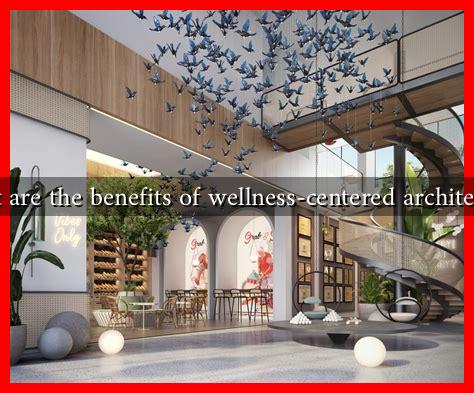
Wellness-centered architecture is an interdisciplinary approach that integrates principles from architecture, psychology, and health sciences. It focuses on creating spaces that foster well-being by considering factors such as natural light, air quality, acoustics, and access to nature. The goal is to design environments that not only meet functional needs but also promote physical and mental health.
Key Benefits of Wellness-Centered Architecture
Implementing wellness-centered architecture can yield numerous benefits for individuals and communities alike. Here are some of the most significant advantages:
- Improved Physical Health: Research indicates that environments designed with wellness in mind can lead to better physical health outcomes. For instance, access to natural light and fresh air can reduce the risk of respiratory issues and improve overall well-being.
- Enhanced Mental Well-Being: Spaces that incorporate elements such as greenery, natural materials, and calming colors can significantly reduce stress and anxiety levels. A study published in the Journal of Environmental Psychology found that exposure to nature can enhance mood and cognitive function.
- Increased Productivity: In workplaces designed with wellness principles, employees often report higher levels of productivity and job satisfaction. A report by the Gartner Group found that organizations that prioritize employee well-being see a 20% increase in productivity.
- Community Engagement: Wellness-centered architecture often includes communal spaces that encourage social interaction and community building. This can lead to stronger social ties and a greater sense of belonging among residents.
- Sustainability: Many wellness-centered designs incorporate sustainable practices, such as energy-efficient systems and the use of eco-friendly materials. This not only benefits the environment but also promotes a healthier lifestyle for occupants.
Case Studies: Successful Implementations
Several projects around the world exemplify the benefits of wellness-centered architecture:
- The Edge, Amsterdam: This office building is renowned for its innovative design that maximizes natural light and incorporates green spaces. Employees report higher satisfaction and productivity levels, showcasing the positive impact of wellness-focused design.
- One Central Park, Sydney: This residential complex features vertical gardens and open spaces that promote a connection to nature. Residents enjoy improved air quality and mental well-being, demonstrating the benefits of integrating nature into urban living.
- Google’s Campus, Mountain View: Google’s headquarters is designed with employee wellness in mind, featuring fitness facilities, healthy food options, and ample green spaces. This approach has resulted in high employee retention and satisfaction rates.
Statistics Supporting Wellness-Centered Architecture
Numerous studies highlight the positive effects of wellness-centered architecture:
- A study by the International WELL Building Institute found that buildings designed with wellness principles can lead to a 30% reduction in absenteeism.
- According to a report by the Harvard Business Review, companies that invest in employee wellness programs see an average return of $3 for every $1 spent.
Conclusion
Wellness-centered architecture is more than just a trend; it is a necessary evolution in how we design our spaces. By prioritizing health and well-being, we can create environments that enhance physical health, improve mental well-being, and foster community engagement. As more architects and urban planners embrace this approach, we can expect to see a significant positive impact on our quality of life. The integration of wellness principles into architecture not only benefits individuals but also contributes to the sustainability and resilience of our communities.
