

-
Table of Contents
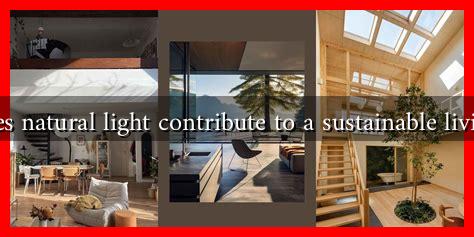
How Does Natural Light Contribute to a Sustainable Living Space?
In an era where sustainability is at the forefront of architectural design and urban planning, the role of natural light in creating sustainable living spaces cannot be overstated. Natural light not only enhances the aesthetic appeal of a space but also contributes significantly to energy efficiency, health, and well-being. This article explores the multifaceted benefits of natural light and how it can be harnessed to create sustainable living environments.
The Energy Efficiency of Natural Light
One of the most compelling reasons to incorporate natural light into living spaces is its potential to reduce energy consumption. By maximizing daylight, homeowners can minimize their reliance on artificial lighting, which accounts for a significant portion of energy use in residential buildings.
- Reduced Electricity Costs: Utilizing natural light can lead to substantial savings on electricity bills. According to the U.S. Department of Energy, daylighting can reduce lighting energy use by 50% or more.
- Lower Carbon Footprint: By decreasing the need for artificial lighting, natural light helps lower greenhouse gas emissions associated with electricity generation.
- Passive Solar Heating: In addition to lighting, strategically placed windows can harness solar energy for heating, further reducing the need for heating systems.
Health and Well-Being Benefits
Natural light is not just an energy saver; it also plays a crucial role in enhancing the health and well-being of occupants. Studies have shown that exposure to natural light can have profound effects on physical and mental health.
- Improved Mood: Natural light exposure is linked to increased serotonin levels, which can enhance mood and reduce feelings of depression.
- Better Sleep Quality: Exposure to natural light during the day helps regulate circadian rhythms, leading to improved sleep patterns.
- Enhanced Productivity: Workspaces flooded with natural light have been shown to increase productivity and creativity among employees.
Designing for Natural Light
To fully leverage the benefits of natural light, thoughtful design is essential. Here are some strategies that architects and homeowners can employ:
- Window Placement: Positioning windows to capture sunlight at different times of the day can optimize natural light throughout the year.
- Skylights and Light Tubes: These features can bring light into areas that may not have direct access to windows, such as hallways or interior rooms.
- Open Floor Plans: Designing open spaces allows light to flow freely, illuminating larger areas and reducing the need for artificial lighting.
Case Studies: Successful Implementation of Natural Light
Several projects around the world exemplify the successful integration of natural light into sustainable living spaces:
- The Bullitt Center, Seattle: Known as the “greenest commercial building in the world,” the Bullitt Center features large windows and skylights that provide ample natural light while achieving net-zero energy consumption.
- The Edge, Amsterdam: This office building is designed to maximize natural light, with a unique façade that reflects sunlight into the interior, reducing the need for artificial lighting.
Conclusion: The Future of Sustainable Living Spaces
Natural light is a powerful ally in the quest for sustainable living spaces. Its benefits extend beyond mere aesthetics, impacting energy efficiency, health, and overall quality of life. As we move towards a more sustainable future, the integration of natural light into architectural design will be crucial. By embracing natural light, we can create environments that are not only beautiful but also energy-efficient and conducive to well-being.
For more information on sustainable design practices, you can visit the U.S. Green Building Council.
