

-
Table of Contents
Are We Returning to More Natural Interiors?
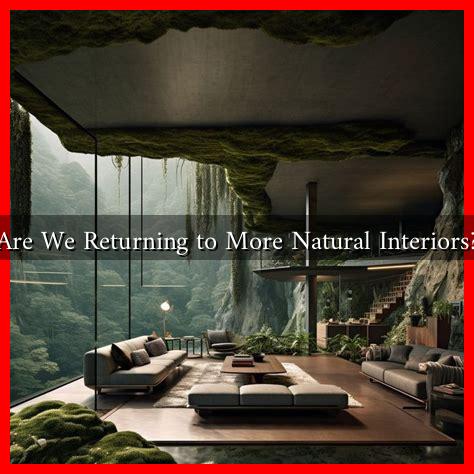
In recent years, the design world has witnessed a significant shift towards more natural interiors. This trend reflects a growing desire for spaces that promote well-being, sustainability, and a connection to nature. As we delve into this topic, we will explore the factors driving this movement, the elements that characterize natural interiors, and the implications for future design.
The Rise of Natural Interiors
The resurgence of natural interiors can be attributed to several factors, including increased awareness of environmental issues, the impact of the COVID-19 pandemic, and a collective yearning for comfort and tranquility in our living spaces. According to a report by the American Society of Interior Designers (ASID), 70% of designers noted a growing demand for sustainable materials and biophilic design elements in their projects.
Key Elements of Natural Interiors
Natural interiors are characterized by a variety of elements that emphasize organic materials, earthy colors, and a connection to the outdoors. Here are some key features:
- Natural Materials: Wood, stone, and clay are commonly used in natural interiors. These materials not only add warmth but also have a lower environmental impact compared to synthetic alternatives.
- Earthy Color Palettes: Soft, muted colors inspired by nature—such as greens, browns, and blues—create a calming atmosphere.
- Biophilic Design: Incorporating plants and natural light into interior spaces enhances well-being and productivity. Studies show that exposure to nature can reduce stress and improve mood.
- Textured Fabrics: Natural fibers like cotton, linen, and wool are favored for upholstery and textiles, adding depth and comfort to spaces.
Case Studies: Successful Natural Interior Designs
Several designers and brands have embraced the natural interiors trend, creating spaces that resonate with this ethos. Here are a few notable examples:
- Studio McGee: Known for their fresh take on modern farmhouse design, Studio McGee incorporates natural materials and light color palettes to create inviting spaces that feel both contemporary and timeless.
- HAY: This Danish design brand emphasizes simplicity and functionality, using natural materials in their furniture and home accessories. Their designs reflect a commitment to sustainability and minimalism.
- Biophilic Design in Urban Spaces: Projects like the Bosco Verticale in Milan showcase how integrating greenery into urban architecture can create a harmonious balance between nature and modern living.
The Impact of COVID-19 on Interior Design Trends
The COVID-19 pandemic has profoundly influenced our relationship with our living spaces. As people spent more time at home, the need for comfort and a connection to nature became paramount. According to a survey by Houzz, 62% of homeowners reported that they wanted to create a more relaxing environment in their homes. This shift has led to:
- Increased interest in outdoor living spaces, such as patios and gardens.
- A focus on creating multifunctional spaces that promote relaxation and productivity.
- Greater demand for home offices that incorporate natural light and views of nature.
Looking Ahead: The Future of Natural Interiors
As we move forward, the trend towards natural interiors is likely to continue evolving. Designers will increasingly prioritize sustainability, using eco-friendly materials and practices. The integration of technology will also play a role, with smart home features that enhance natural light and air quality becoming more prevalent.
Moreover, the concept of wellness in design will gain traction, with an emphasis on creating spaces that support mental and physical health. The World Health Organization has recognized the importance of healthy environments, and this will influence future interior design trends.
Conclusion
In conclusion, the return to more natural interiors is a reflection of our evolving values and priorities. As we seek comfort, sustainability, and a connection to nature, designers are responding with innovative solutions that embrace these principles. By incorporating natural materials, earthy color palettes, and biophilic design elements, we can create spaces that not only look beautiful but also enhance our well-being. As we look to the future, the trend towards natural interiors is set to grow, shaping the way we live and interact with our environments.
For more insights on sustainable design practices, visit ASID.
