

Table of Contents
How Can Technology Help Farmers Cope with Climate Change in the Fall?
As climate change continues to impact agricultural practices, farmers are increasingly turning to technology to adapt and thrive. The fall season, a critical time for harvesting and preparing for winter, presents unique challenges exacerbated by changing weather patterns. This article explores how technology can assist farmers in coping with these challenges, ensuring sustainable practices and food security.
The Impact of Climate Change on Agriculture in the Fall
Climate change has led to unpredictable weather patterns, affecting crop yields and farming schedules. In the fall, farmers face several challenges, including:
- Unpredictable Frost Dates: Early frosts can damage crops that are not yet harvested.
- Increased Pest Activity: Warmer temperatures can lead to longer pest seasons, threatening crops.
- Soil Erosion: Heavy rains can wash away topsoil, reducing soil fertility.
- Water Scarcity: Changes in precipitation patterns can lead to drought conditions.
To mitigate these challenges, farmers are leveraging various technological advancements.
Precision Agriculture: A Game Changer
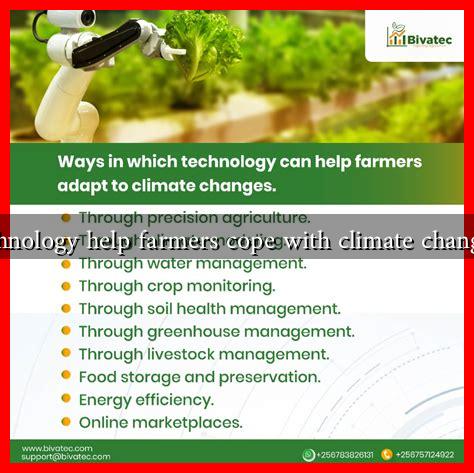
Precision agriculture utilizes data analytics and technology to optimize farming practices. This approach allows farmers to make informed decisions based on real-time data, which is crucial during the fall harvest. Key technologies include:
- GPS and Drones: These tools help farmers monitor crop health and assess field conditions from above, allowing for targeted interventions.
- Soil Sensors: By measuring moisture levels and nutrient content, farmers can apply water and fertilizers more efficiently, reducing waste.
- Weather Forecasting Tools: Advanced forecasting models provide accurate predictions, helping farmers plan their harvests and protect crops from unexpected weather events.
For instance, a case study from the University of Illinois demonstrated that farmers using precision agriculture techniques increased their corn yields by 15% while reducing input costs by 10%.
Climate-Resilient Crop Varieties
Another significant advancement in agricultural technology is the development of climate-resilient crop varieties. These crops are engineered to withstand extreme weather conditions, such as droughts and floods. Examples include:
- Drought-Resistant Maize: Developed by the International Maize and Wheat Improvement Center, this variety can survive with less water, making it ideal for regions facing water scarcity.
- Flood-Tolerant Rice: The IR64 variety can withstand submergence for up to two weeks, providing a safety net for farmers in flood-prone areas.
According to the Food and Agriculture Organization (FAO), adopting climate-resilient crops can increase yields by up to 20% in affected regions.
Smart Irrigation Systems
Efficient water management is crucial for farmers, especially during the fall when water scarcity can be a concern. Smart irrigation systems utilize technology to optimize water usage:
- Drip Irrigation: This system delivers water directly to the plant roots, minimizing evaporation and runoff.
- Automated Irrigation Controllers: These devices adjust watering schedules based on real-time weather data and soil moisture levels.
A study by the Irrigation Association found that smart irrigation systems can reduce water usage by up to 50%, significantly benefiting farmers during dry fall seasons.
Conclusion: Embracing Technology for a Sustainable Future
As climate change continues to pose challenges for agriculture, technology offers a pathway for farmers to adapt and thrive. By embracing precision agriculture, climate-resilient crops, and smart irrigation systems, farmers can mitigate the impacts of unpredictable weather patterns in the fall. These innovations not only enhance productivity but also promote sustainable practices that are essential for food security in a changing climate.
In summary, the integration of technology in farming is not just a trend; it is a necessity for future resilience. As farmers continue to face the realities of climate change, leveraging these technological advancements will be crucial in ensuring a sustainable agricultural landscape.
For more information on how technology is transforming agriculture, visit FAO Technology in Agriculture.
