

Table of Contents
Can Climate Change Threaten Fall Harvest Yields?
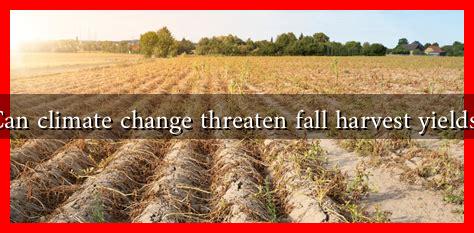
As the world grapples with the realities of climate change, one of the most pressing concerns is its impact on agriculture. The fall harvest, a critical period for farmers and food supply chains, is increasingly at risk due to shifting climate patterns. This article explores how climate change threatens fall harvest yields, examining the underlying factors, real-world examples, and potential solutions.
The Impact of Climate Change on Agriculture
Climate change is characterized by rising temperatures, altered precipitation patterns, and increased frequency of extreme weather events. These changes can significantly affect agricultural productivity, particularly during the fall harvest season. Key factors include:
- Temperature Increases: Warmer temperatures can accelerate crop maturation, leading to reduced yields.
- Altered Rainfall Patterns: Changes in precipitation can result in droughts or flooding, both of which can devastate crops.
- Pest and Disease Proliferation: Warmer climates can expand the range of pests and diseases, threatening crop health.
Case Studies: Real-World Impacts
Several regions around the world have already experienced the adverse effects of climate change on their fall harvests. Here are a few notable examples:
- California’s Wine Industry: The state’s vineyards have faced challenges due to increased temperatures and drought conditions. A study by the University of California found that grape harvests could decline by up to 70% by 2100 if current trends continue.
- Midwestern Corn and Soybean Yields: The U.S. Midwest, a major agricultural hub, has seen fluctuating weather patterns that affect corn and soybean yields. According to the USDA, corn yields have already decreased by 1% per decade due to climate-related factors.
- European Wheat Production: In Europe, wheat yields are projected to decline by 10-20% by 2050 due to increased temperatures and changing rainfall patterns, according to a report from the European Commission.
Statistics Highlighting the Threat
Statistics underscore the urgency of addressing climate change’s impact on agriculture:
- According to the Intergovernmental Panel on Climate Change (IPCC), global crop yields could decrease by 10-25% by 2050 due to climate change.
- The Food and Agriculture Organization (FAO) estimates that climate change could push an additional 100 million people into hunger by 2030.
- A study published in the journal Nature found that extreme weather events could lead to a 50% reduction in crop yields in some regions.
Adaptation Strategies for Farmers
While the challenges posed by climate change are significant, farmers and agricultural scientists are exploring various adaptation strategies to mitigate its effects:
- Crop Diversification: Planting a variety of crops can reduce the risk of total crop failure due to climate-related factors.
- Improved Irrigation Techniques: Implementing efficient irrigation systems can help manage water resources more effectively during droughts.
- Soil Management Practices: Techniques such as cover cropping and reduced tillage can enhance soil health and resilience against extreme weather.
Conclusion: The Path Forward
Climate change poses a significant threat to fall harvest yields, with potential consequences for food security and agricultural economies worldwide. As temperatures rise and weather patterns become increasingly erratic, farmers must adapt to these changes to sustain their livelihoods and ensure food availability. By embracing innovative agricultural practices and leveraging technology, the agricultural sector can mitigate some of the adverse effects of climate change. However, collective action at local, national, and global levels is essential to address the root causes of climate change and protect our food systems for future generations.
For more information on climate change and its impact on agriculture, visit the Intergovernmental Panel on Climate Change.
