

-
Table of Contents
What Is the Mechanism of Action of Metoclopramide?
Metoclopramide is a medication commonly used to treat nausea, vomiting, and gastroparesis, particularly in patients with diabetes. Understanding its mechanism of action is crucial for healthcare professionals and patients alike, as it helps in optimizing its use and managing potential side effects. This article delves into the pharmacological properties of metoclopramide, its mechanism of action, and its clinical applications.
Overview of Metoclopramide
Metoclopramide is a dopamine receptor antagonist that primarily acts on the central nervous system and the gastrointestinal (GI) tract. It is available in various forms, including oral tablets, injections, and syrups. The drug is often prescribed for:
- Nausea and vomiting associated with chemotherapy or surgery
- Gastroparesis, a condition characterized by delayed gastric emptying
- Prevention of nausea and vomiting in patients undergoing radiation therapy
Pharmacodynamics: How Metoclopramide Works
The mechanism of action of metoclopramide is multifaceted, involving several neurotransmitter systems. Here are the primary pathways through which metoclopramide exerts its effects:
Dopamine Receptor Antagonism
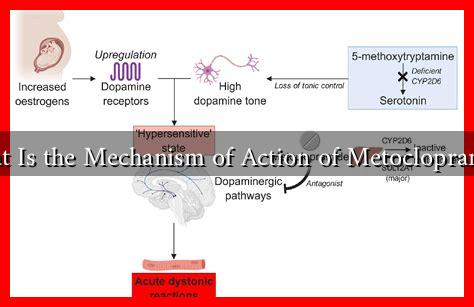
Metoclopramide primarily acts as an antagonist at dopamine D2 receptors in the central nervous system. By blocking these receptors, metoclopramide reduces the effects of dopamine, a neurotransmitter that can induce nausea and vomiting. This action is particularly significant in the chemoreceptor trigger zone (CTZ) of the brain, which plays a crucial role in the vomiting reflex.
Serotonin Receptor Modulation
In addition to its effects on dopamine receptors, metoclopramide also interacts with serotonin receptors, particularly the 5-HT3 subtype. This interaction further enhances its antiemetic properties, making it effective in treating nausea and vomiting.
Gastrointestinal Motility Enhancement
Metoclopramide increases the motility of the upper GI tract by enhancing the release of acetylcholine from the enteric nervous system. This action leads to:
- Increased gastric emptying
- Improved peristalsis
- Reduced reflux of gastric contents into the esophagus
These effects are particularly beneficial for patients with gastroparesis, as they help alleviate symptoms such as bloating and discomfort.
Clinical Applications and Efficacy
Metoclopramide has been extensively studied for its efficacy in various clinical settings. For instance, a study published in the journal Gastroenterology demonstrated that metoclopramide significantly reduced nausea and vomiting in patients undergoing chemotherapy. In another study, metoclopramide was shown to improve gastric emptying in diabetic patients with gastroparesis, leading to better glycemic control.
Side Effects and Considerations
While metoclopramide is generally well-tolerated, it is essential to be aware of potential side effects, which may include:
- Drowsiness and fatigue
- Extrapyramidal symptoms (e.g., tremors, rigidity)
- Diarrhea
- Hormonal changes, such as galactorrhea
Due to the risk of tardive dyskinesia, a serious movement disorder, long-term use of metoclopramide is generally discouraged. The FDA recommends limiting its use to no more than 12 weeks.
Conclusion
Metoclopramide is a versatile medication with a complex mechanism of action that involves dopamine and serotonin receptor modulation, as well as enhancement of gastrointestinal motility. Its effectiveness in treating nausea, vomiting, and gastroparesis makes it a valuable tool in clinical practice. However, healthcare providers must be cautious about its side effects and the duration of treatment. Understanding the pharmacological basis of metoclopramide’s action can help optimize its use and improve patient outcomes.
