

Table of Contents
Is Metoclopramide Safe for Long-Term Use?
Metoclopramide is a medication commonly prescribed to treat nausea, vomiting, and gastroparesis, a condition that affects the stomach muscles and prevents proper stomach emptying. While it can be effective for short-term use, concerns have arisen regarding its safety for long-term use. This article delves into the potential risks and benefits of prolonged metoclopramide therapy, providing insights for both patients and healthcare providers.
Understanding Metoclopramide
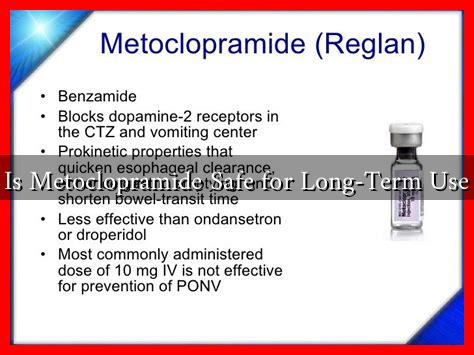
Metoclopramide works by blocking dopamine receptors in the brain and enhancing the motility of the upper gastrointestinal tract. It is often used in various clinical settings, including:
- Post-operative nausea and vomiting
- Chemotherapy-induced nausea
- Gastroparesis in diabetic patients
Despite its effectiveness, the long-term use of metoclopramide has been associated with several adverse effects, raising questions about its safety profile.
Potential Risks of Long-Term Use
One of the most significant concerns regarding long-term metoclopramide use is the risk of developing tardive dyskinesia (TD), a serious movement disorder characterized by involuntary, repetitive body movements. According to the American Academy of Neurology, the risk of TD increases with prolonged exposure to dopamine antagonists like metoclopramide.
Other potential side effects include:
- Extrapyramidal symptoms (EPS), which can include tremors and rigidity
- Depression and anxiety
- Fatigue and drowsiness
- Gastrointestinal disturbances, such as diarrhea
Research indicates that the risk of developing TD can be as high as 20% in patients who use metoclopramide for more than three months. This statistic underscores the importance of careful monitoring and consideration of alternative therapies for long-term management of gastrointestinal disorders.
Guidelines and Recommendations
Due to the risks associated with long-term use, various health organizations have issued guidelines regarding metoclopramide therapy. The U.S. Food and Drug Administration (FDA) recommends that metoclopramide should not be used for longer than 12 weeks. This recommendation is based on the potential for serious side effects, particularly in older adults who may be more susceptible to adverse reactions.
Healthcare providers are encouraged to:
- Evaluate the necessity of metoclopramide therapy regularly
- Consider alternative treatments for nausea and gastroparesis
- Educate patients about the risks associated with long-term use
Alternatives to Metoclopramide
For patients requiring long-term management of nausea or gastroparesis, several alternatives to metoclopramide exist. These include:
- Prokinetic agents like domperidone (though it has its own risks)
- Antiemetic medications such as ondansetron
- Dietary modifications and lifestyle changes
- Gastric electrical stimulation for severe gastroparesis
Each alternative comes with its own set of benefits and risks, and patients should work closely with their healthcare providers to determine the most appropriate treatment plan.
Conclusion
While metoclopramide can be an effective short-term solution for nausea and gastroparesis, its safety for long-term use is questionable due to the risk of serious side effects, particularly tardive dyskinesia. Patients and healthcare providers must weigh the benefits against the potential risks and consider alternative therapies for long-term management. Regular monitoring and open communication about treatment options are essential to ensure patient safety and well-being.
For more information on metoclopramide and its safety profile, you can visit the National Institutes of Health.
