

Table of Contents
Can Ranitidine Treat Stomach Ulcers?
Stomach ulcers, also known as peptic ulcers, are painful sores that develop on the lining of the stomach or the upper part of the small intestine. They can cause significant discomfort and lead to serious health complications if left untreated. One of the medications that have been commonly used to treat stomach ulcers is ranitidine. However, recent developments have raised questions about its efficacy and safety. This article explores the role of ranitidine in treating stomach ulcers, its mechanism of action, and the controversies surrounding its use.
Understanding Ranitidine
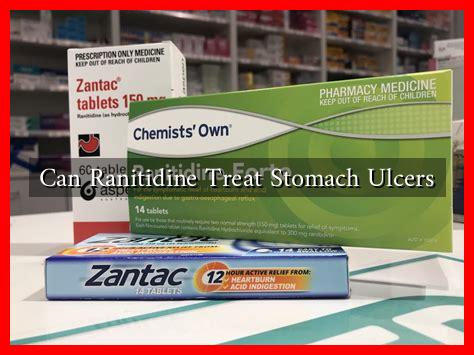
Ranitidine is a medication that belongs to a class of drugs known as H2 blockers. These drugs work by reducing the amount of acid produced by the stomach, thereby alleviating symptoms associated with excess stomach acid, such as heartburn and indigestion. Ranitidine was widely prescribed for conditions like gastroesophageal reflux disease (GERD), Zollinger-Ellison syndrome, and, notably, stomach ulcers.
How Ranitidine Works
The primary mechanism of ranitidine involves blocking histamine H2 receptors in the stomach lining. This action leads to a decrease in gastric acid secretion, which can help in the healing of ulcers. Here’s how it works:
- Reduction of Acid Production: By inhibiting histamine, ranitidine decreases the production of stomach acid.
- Promotion of Healing: Lower acid levels create a less hostile environment for the ulcer to heal.
- Symptom Relief: Patients often experience relief from pain and discomfort associated with ulcers.
Effectiveness of Ranitidine in Treating Stomach Ulcers
Numerous studies have demonstrated the effectiveness of ranitidine in treating stomach ulcers. For instance, a clinical trial published in the Journal of Gastroenterology found that patients treated with ranitidine showed significant improvement in ulcer healing rates compared to those receiving a placebo. The study reported:
- Approximately 80% of patients healed their ulcers within 8 weeks of treatment.
- Ranitidine was well-tolerated, with minimal side effects reported.
However, it is essential to note that while ranitidine can be effective, it is not the only treatment option available. Proton pump inhibitors (PPIs) like omeprazole have become more popular due to their stronger acid suppression capabilities.
Controversies and Safety Concerns
In 2019, the U.S. Food and Drug Administration (FDA) announced that ranitidine products were being recalled due to concerns about contamination with N-nitrosodimethylamine (NDMA), a probable human carcinogen. This revelation led to a significant decline in the use of ranitidine, as patients and healthcare providers sought safer alternatives.
As a result of these concerns, many healthcare professionals now recommend other medications for treating stomach ulcers, such as:
- Proton Pump Inhibitors (PPIs): More effective in reducing stomach acid.
- Antacids: Provide quick relief from symptoms.
- Antibiotics: Used in conjunction with other medications to treat ulcers caused by Helicobacter pylori infection.
Conclusion
Ranitidine has historically been an effective treatment for stomach ulcers, providing relief and promoting healing through its acid-reducing properties. However, the recent safety concerns surrounding its use have led to a reevaluation of its role in ulcer treatment. While it may still be effective, the potential risks associated with ranitidine have prompted many healthcare providers to recommend alternative therapies.
In summary, while ranitidine can treat stomach ulcers, its use is now overshadowed by safety concerns. Patients should consult with their healthcare providers to explore safer and more effective treatment options tailored to their specific needs. As the landscape of ulcer treatment continues to evolve, staying informed about the latest research and recommendations is crucial for optimal health management.
