

Table of Contents
What are the Side Effects of Fexofenadine?
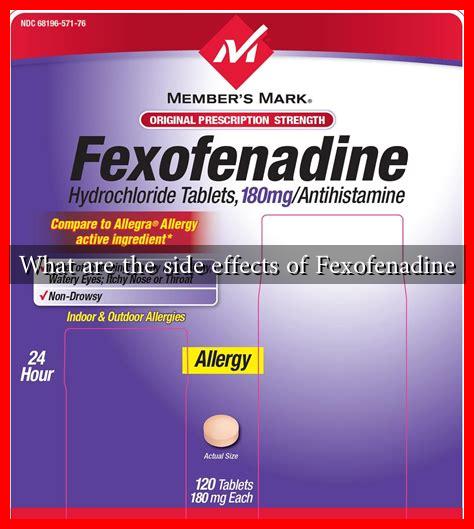
Fexofenadine is a widely used antihistamine medication primarily prescribed for the relief of allergy symptoms such as hay fever and hives. As a second-generation antihistamine, it is known for causing fewer sedative effects compared to its predecessors. However, like any medication, fexofenadine is not without its side effects. This article delves into the potential side effects of fexofenadine, providing valuable insights for patients and healthcare providers alike.
Understanding Fexofenadine
Fexofenadine works by blocking the action of histamine, a substance in the body that causes allergic symptoms. It is available in various forms, including tablets, orally disintegrating tablets, and suspension. The medication is generally well-tolerated, but understanding its side effects is crucial for safe and effective use.
Common Side Effects
While many individuals tolerate fexofenadine without any issues, some may experience side effects. The most common side effects include:
- Headache
- Drowsiness
- Nausea
- Dizziness
- Dry mouth
These side effects are generally mild and may resolve as the body adjusts to the medication. However, if they persist or worsen, it is advisable to consult a healthcare professional.
Less Common but Serious Side Effects
In rare cases, fexofenadine can lead to more serious side effects. These may include:
- Severe allergic reactions (anaphylaxis)
- Heart palpitations or irregular heartbeat
- Severe dizziness or fainting
- Vision changes
Patients experiencing any of these serious side effects should seek immediate medical attention. It is essential to be aware of these potential risks, especially for individuals with pre-existing health conditions.
Interactions with Other Medications
Fexofenadine can interact with other medications, which may increase the risk of side effects. Some notable interactions include:
- Antacids containing aluminum or magnesium, which can reduce the absorption of fexofenadine.
- Certain antibiotics, such as erythromycin, which may increase the levels of fexofenadine in the blood.
- Other antihistamines, which can amplify sedative effects.
Patients should inform their healthcare provider about all medications they are taking to avoid potential interactions. For more detailed information on drug interactions, you can visit the Drugs.com interaction checker.
Case Studies and Statistics
Research indicates that the incidence of side effects associated with fexofenadine is relatively low. A study published in the Journal of Allergy and Clinical Immunology found that only about 1% of patients reported severe side effects. Most side effects were mild and transient, with headache and drowsiness being the most frequently reported.
Another study highlighted that patients with pre-existing conditions, such as cardiovascular issues, may be at a higher risk for experiencing side effects. Therefore, it is crucial for healthcare providers to assess individual patient profiles before prescribing fexofenadine.
Conclusion
Fexofenadine is an effective antihistamine for managing allergy symptoms, but it is essential to be aware of its potential side effects. While most individuals tolerate the medication well, some may experience mild to severe side effects. Understanding these risks, especially in the context of drug interactions and individual health conditions, can help ensure safe usage. Always consult a healthcare provider for personalized advice and to discuss any concerns regarding fexofenadine or its side effects.
