

Table of Contents
Is Imipramine Addictive?
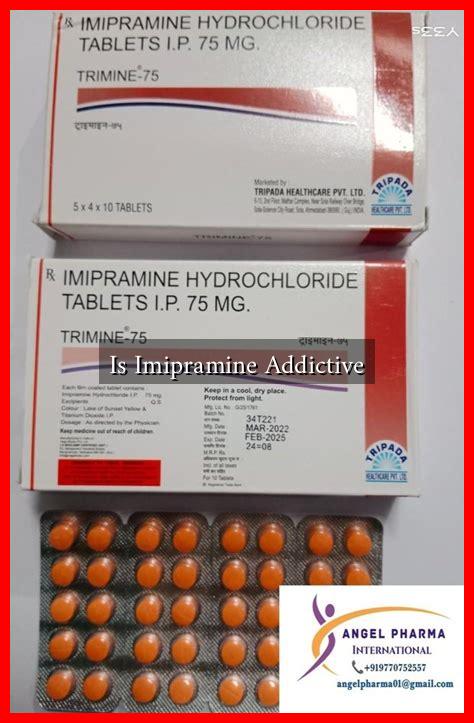
Imipramine, a tricyclic antidepressant (TCA), has been a cornerstone in the treatment of depression and certain anxiety disorders since its introduction in the 1950s. While it has proven effective for many patients, concerns about its potential for addiction have emerged. This article delves into the nature of imipramine, its effects, and whether it can lead to addiction.
Understanding Imipramine
Imipramine works by inhibiting the reuptake of neurotransmitters, particularly norepinephrine and serotonin, in the brain. This mechanism helps to elevate mood and alleviate symptoms of depression. It is also used to treat conditions such as:
- Obsessive-Compulsive Disorder (OCD)
- Panic Disorder
- Chronic Pain
- Bedwetting in children
Despite its therapeutic benefits, the question of whether imipramine is addictive remains a topic of discussion among healthcare professionals and patients alike.
Defining Addiction
Addiction is characterized by compulsive drug-seeking behavior, tolerance, and withdrawal symptoms. It is essential to differentiate between physical dependence and psychological addiction. Physical dependence occurs when the body adapts to a drug, leading to withdrawal symptoms upon cessation, while psychological addiction involves a compulsive need to use a substance for emotional relief.
Is Imipramine Addictive?
Research indicates that imipramine is not considered addictive in the same way as substances like opioids, benzodiazepines, or stimulants. Here are some key points to consider:
- Low Abuse Potential: Imipramine has a low potential for abuse compared to other medications. Studies have shown that it does not produce the euphoric effects commonly associated with addictive substances.
- Withdrawal Symptoms: While some patients may experience withdrawal symptoms when discontinuing imipramine, these symptoms are generally mild and can include dizziness, nausea, and insomnia. This is in contrast to the severe withdrawal symptoms seen with addictive drugs.
- Clinical Use: Imipramine is often prescribed for long-term use in managing chronic conditions, and many patients do not develop a compulsive need for the medication.
Case Studies and Statistics
Several studies have examined the addictive potential of imipramine. For instance, a review published in the Journal of Clinical Psychiatry found that patients treated with imipramine did not exhibit signs of addiction or misuse. Furthermore, a survey conducted by the National Institute on Drug Abuse (NIDA) indicated that TCAs, including imipramine, are rarely involved in substance abuse cases.
However, it is crucial to note that individual responses to medication can vary. Some patients may misuse imipramine, particularly if they have a history of substance abuse. Therefore, healthcare providers should monitor patients closely and provide education on the proper use of the medication.
Conclusion
In summary, imipramine is not considered addictive in the traditional sense. While it can lead to physical dependence in some cases, the risk of developing a psychological addiction is low. Its therapeutic benefits for managing depression and anxiety disorders often outweigh the potential risks. However, as with any medication, it is essential for patients to use imipramine under the guidance of a healthcare professional to minimize risks and ensure effective treatment.
For those concerned about addiction, open communication with healthcare providers can help address any fears and provide reassurance about the safe use of imipramine. Understanding the nature of this medication can empower patients to make informed decisions about their mental health treatment.
