

Table of Contents
What is Insulin and Its Historical Discovery
Insulin is a vital hormone produced by the pancreas that plays a crucial role in regulating blood glucose levels. Its discovery marked a significant milestone in medical science, transforming the treatment of diabetes and saving countless lives. This article delves into the nature of insulin, its functions, and the fascinating history behind its discovery.
Understanding Insulin
Insulin is a peptide hormone composed of 51 amino acids and is produced by the beta cells of the islets of Langerhans in the pancreas. It is essential for the metabolism of carbohydrates, fats, and proteins. Here are some key functions of insulin:
- Regulation of Blood Sugar: Insulin facilitates the uptake of glucose by cells, lowering blood sugar levels.
- Storage of Glucose: It promotes the conversion of glucose into glycogen for storage in the liver and muscles.
- Fat Storage: Insulin encourages the storage of fat in adipose tissues and inhibits the breakdown of fat.
- Protein Synthesis: It aids in the synthesis of proteins by promoting amino acid uptake in cells.
Without adequate insulin, the body cannot effectively utilize glucose, leading to high blood sugar levels, a condition known as hyperglycemia. This is a hallmark of diabetes, a chronic disease that affects millions worldwide.
The Historical Discovery of Insulin
The journey to the discovery of insulin is a remarkable tale of scientific inquiry and perseverance. Before insulin was discovered, diabetes was often a fatal disease, with patients suffering from severe symptoms and complications. Here’s a brief timeline of key events leading to the discovery of insulin:
- Ancient Times: References to diabetes can be traced back to ancient civilizations, where it was known as the “pissing disease” due to the excessive urination it caused.
- 19th Century: In 1869, German scientist Paul Langerhans discovered clusters of cells in the pancreas, later named the islets of Langerhans, which were believed to be involved in glucose metabolism.
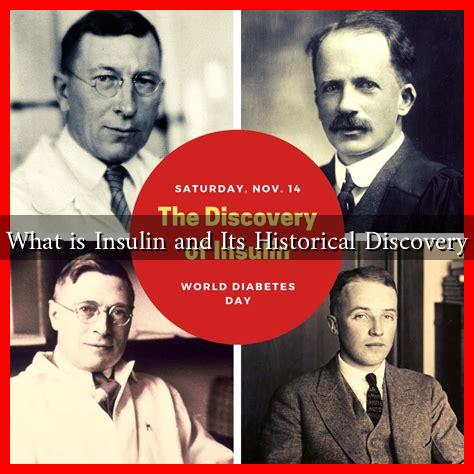
- Early 20th Century: In 1921, Canadian researchers Frederick Banting and Charles Best, along with biochemist James Collip, successfully isolated insulin from the pancreas of dogs. Their groundbreaking work led to the first effective treatment for diabetes.
The first patient to receive insulin treatment was a 14-year-old boy named Leonard Thompson in January 1922. His remarkable recovery marked the beginning of a new era in diabetes management. By 1923, Banting and Best were awarded the Nobel Prize in Physiology or Medicine for their discovery.
The Impact of Insulin on Diabetes Treatment
The introduction of insulin therapy revolutionized the treatment of diabetes. Prior to its discovery, patients had limited options, often leading to severe complications or death. Today, insulin therapy is a cornerstone of diabetes management, with various forms available:
- Rapid-acting Insulin: Begins to work within minutes and is used to control blood sugar spikes after meals.
- Long-acting Insulin: Provides a steady release of insulin over an extended period, helping to maintain baseline blood sugar levels.
- Insulin Pumps: Devices that deliver continuous insulin infusion, allowing for more precise control of blood sugar levels.
According to the International Diabetes Federation, approximately 537 million adults were living with diabetes in 2021, a number projected to rise to 643 million by 2030. The availability of insulin has been instrumental in managing this global health crisis.
Conclusion
Insulin is not just a hormone; it is a lifeline for millions of people living with diabetes. The historical discovery of insulin by Banting, Best, and Collip transformed the landscape of diabetes treatment, providing hope and improved quality of life for patients. As research continues to advance, the future of diabetes management looks promising, with ongoing developments in insulin formulations and delivery methods. Understanding the significance of insulin and its history is essential for appreciating the strides made in medical science and the ongoing challenges faced by those living with diabetes.
For more information on diabetes and insulin therapy, you can visit the American Diabetes Association.
