

Table of Contents
What is Insulin and How Does It Work?
Insulin is a vital hormone produced by the pancreas that plays a crucial role in regulating blood sugar levels in the body. Understanding insulin’s function is essential for grasping how our bodies manage energy and how conditions like diabetes can disrupt this balance. This article delves into the nature of insulin, its mechanisms, and its significance in human health.
Understanding Insulin
Insulin is a peptide hormone composed of 51 amino acids and is classified as an anabolic hormone due to its role in promoting the storage of nutrients. It was first discovered in 1921 by Canadian scientists Frederick Banting and Charles Best, a breakthrough that paved the way for diabetes treatment.
How Insulin Works
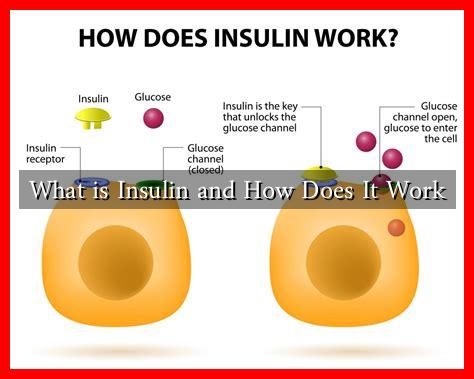
Insulin’s primary function is to regulate glucose levels in the bloodstream. Here’s how it works:
- Glucose Uptake: After eating, carbohydrates are broken down into glucose, which enters the bloodstream. In response, the pancreas releases insulin.
- Cellular Absorption: Insulin facilitates the uptake of glucose by cells, particularly in muscle and fat tissues, allowing them to use glucose for energy or store it as glycogen.
- Blood Sugar Regulation: Insulin lowers blood sugar levels by promoting glucose absorption and inhibiting glucose production in the liver.
- Fat Storage: Insulin also encourages the storage of fats and proteins, making it essential for overall metabolism.
The Role of Insulin in Diabetes
Diabetes is a chronic condition characterized by high blood sugar levels due to insulin deficiency or resistance. There are two main types of diabetes:
- Type 1 Diabetes: An autoimmune condition where the pancreas produces little to no insulin. Individuals with Type 1 diabetes require lifelong insulin therapy.
- Type 2 Diabetes: This form is more common and occurs when the body becomes resistant to insulin or when the pancreas fails to produce enough insulin. Lifestyle changes and medications, including insulin, may be necessary for management.
According to the World Health Organization (WHO), approximately 422 million people worldwide have diabetes, with Type 2 diabetes accounting for around 90% of cases. This alarming statistic highlights the importance of understanding insulin’s role in managing blood sugar levels.
Insulin Administration and Types
For individuals with diabetes, insulin therapy is often necessary. There are several types of insulin, categorized based on their onset, peak, and duration of action:
- Rapid-acting Insulin: Begins to work within 15 minutes and lasts for 2-4 hours. Common examples include Lispro and Aspart.
- Short-acting Insulin: Takes about 30 minutes to start working and lasts for 3-6 hours. Regular insulin is a typical example.
- Intermediate-acting Insulin: Starts working in 2-4 hours and lasts for 10-16 hours. NPH insulin falls into this category.
- Long-acting Insulin: Provides a steady release of insulin over 24 hours. Glargine and Detemir are examples.
Insulin can be administered through injections or insulin pumps, depending on individual needs and preferences.
Conclusion
Insulin is a critical hormone that regulates blood sugar levels and plays a significant role in metabolism. Its importance is underscored by the rising prevalence of diabetes, a condition that affects millions globally. Understanding how insulin works can empower individuals to manage their health better, particularly those living with diabetes. As research continues to evolve, advancements in insulin therapy and diabetes management hold promise for improving the quality of life for those affected by this condition.
For more information on diabetes management and insulin therapy, you can visit the American Diabetes Association.
