

-
Table of Contents
Can Amoxicillin be Used for Ear Infections?
Ear infections, medically known as otitis media, are common ailments that affect individuals of all ages, particularly children. These infections can cause significant discomfort and may lead to complications if not treated properly. One of the most frequently prescribed antibiotics for ear infections is amoxicillin. This article explores the effectiveness of amoxicillin in treating ear infections, its mechanism of action, and considerations for its use.
Understanding Ear Infections
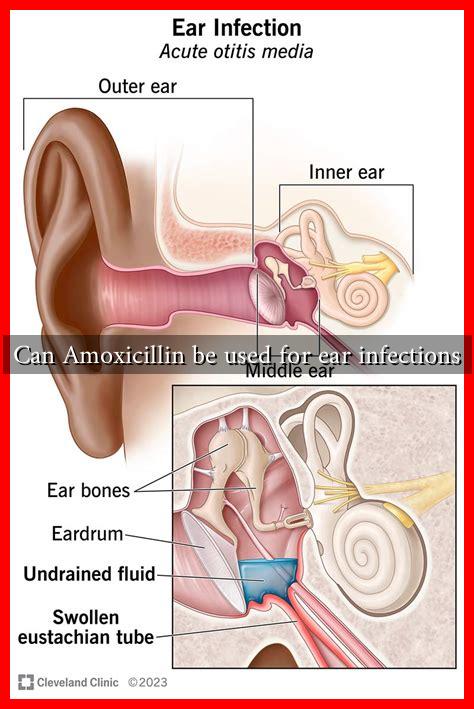
Ear infections occur when bacteria or viruses infect the middle ear, leading to inflammation and fluid buildup. Symptoms may include:
- Ear pain or discomfort
- Difficulty hearing
- Fever
- Fluid drainage from the ear
- Irritability in children
There are two primary types of ear infections:
- Acute Otitis Media (AOM): A sudden onset of ear pain and inflammation.
- Otitis Media with Effusion (OME): Fluid accumulation in the middle ear without infection.
Amoxicillin: An Overview
Amoxicillin is a penicillin-type antibiotic that is effective against a variety of bacterial infections. It works by inhibiting the growth of bacteria, thereby helping the body to fight off the infection. It is commonly prescribed for respiratory tract infections, urinary tract infections, and, notably, ear infections.
Effectiveness of Amoxicillin for Ear Infections
Research indicates that amoxicillin is effective in treating acute otitis media, particularly when the infection is caused by bacteria. According to a study published in the Journal of the American Medical Association, amoxicillin significantly reduces the duration of symptoms in children with AOM compared to placebo treatments.
Key points regarding the effectiveness of amoxicillin include:
- Amoxicillin is often the first-line treatment for bacterial ear infections.
- It is effective against common pathogens such as Streptococcus pneumoniae and Haemophilus influenzae.
- In cases of recurrent ear infections, amoxicillin may be prescribed as a preventive measure.
When is Amoxicillin Not Recommended?
While amoxicillin is effective for many ear infections, it is not always the best choice. Here are some scenarios where its use may be reconsidered:
- Viral Infections: Amoxicillin is ineffective against viral infections, which are often the cause of ear infections.
- Allergic Reactions: Patients with a known allergy to penicillin should avoid amoxicillin.
- Antibiotic Resistance: Overuse of antibiotics can lead to resistance, making infections harder to treat.
Potential Side Effects of Amoxicillin
Like all medications, amoxicillin can cause side effects. Common side effects include:
- Nausea and vomiting
- Diarrhea
- Rash or allergic reactions
Patients should consult their healthcare provider if they experience severe side effects or signs of an allergic reaction, such as difficulty breathing or swelling of the face and throat.
Conclusion
Amoxicillin can be an effective treatment for bacterial ear infections, particularly acute otitis media. Its ability to combat common bacterial pathogens makes it a go-to antibiotic for healthcare providers. However, it is essential to use amoxicillin judiciously to avoid complications such as antibiotic resistance and adverse reactions. Patients should always consult with their healthcare provider to determine the most appropriate treatment for their specific condition.
In summary, while amoxicillin is a valuable tool in the treatment of ear infections, understanding when and how to use it is crucial for effective management and recovery.
