

-
Table of Contents
Does Ibuprofen Reduce Swelling?
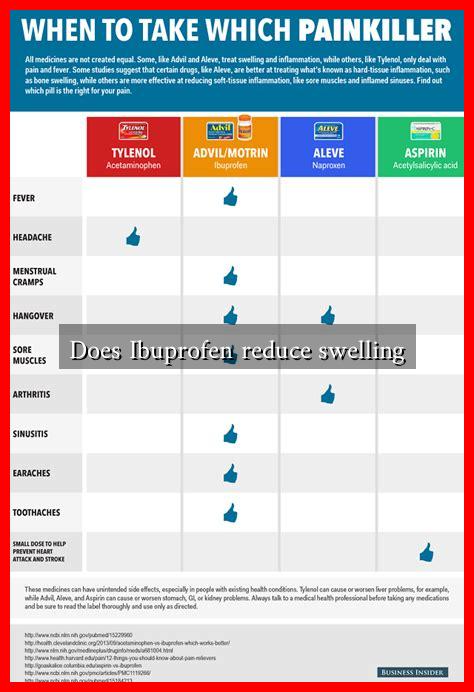
Ibuprofen is a widely used nonsteroidal anti-inflammatory drug (NSAID) that is commonly employed to alleviate pain, reduce fever, and decrease inflammation. One of the most frequently asked questions regarding ibuprofen is whether it effectively reduces swelling. This article delves into the mechanisms of ibuprofen, its effectiveness in reducing swelling, and considerations for its use.
Understanding Swelling and Inflammation
Swelling, or edema, is a common response of the body to injury or inflammation. It occurs when excess fluid accumulates in the tissues, often as a result of:
- Injury or trauma
- Infection
- Allergic reactions
- Chronic conditions such as arthritis
Inflammation is a natural part of the body’s healing process, but excessive inflammation can lead to discomfort and further complications. Therefore, managing swelling is crucial for recovery and overall well-being.
How Ibuprofen Works
Ibuprofen works by inhibiting the production of prostaglandins, which are chemicals in the body that promote inflammation, pain, and fever. By blocking the enzyme cyclooxygenase (COX), ibuprofen reduces the levels of these inflammatory mediators. This mechanism is what makes ibuprofen effective in treating conditions associated with swelling.
Effectiveness of Ibuprofen in Reducing Swelling
Numerous studies have demonstrated the effectiveness of ibuprofen in reducing swelling associated with various conditions. For instance:
- A study published in the Journal of Orthopaedic Surgery and Research found that ibuprofen significantly reduced swelling in patients following knee surgery.
- Research in the British Journal of Sports Medicine indicated that athletes who took ibuprofen after acute injuries experienced less swelling compared to those who did not.
These findings suggest that ibuprofen can be an effective option for managing swelling in various contexts, including post-surgical recovery and sports injuries.
Dosage and Administration
For adults, the typical dosage of ibuprofen for reducing swelling is:
- 400 mg to 800 mg every 6 to 8 hours as needed
- Maximum daily dose should not exceed 3200 mg
It is essential to follow the recommended dosage and consult a healthcare professional, especially for long-term use, as excessive intake can lead to adverse effects such as gastrointestinal bleeding, kidney damage, and increased risk of heart attack.
Considerations and Side Effects
While ibuprofen is effective for many, it is not suitable for everyone. Some considerations include:
- Individuals with certain medical conditions (e.g., peptic ulcers, kidney disease) should avoid ibuprofen.
- Pregnant women, especially in the third trimester, should consult a doctor before using ibuprofen.
- Potential interactions with other medications, such as blood thinners, should be discussed with a healthcare provider.
Common side effects of ibuprofen include:
- Stomach upset
- Nausea
- Headaches
- Dizziness
Conclusion
In summary, ibuprofen is an effective NSAID that can significantly reduce swelling associated with various conditions, including injuries and post-surgical recovery. Its mechanism of action, which involves inhibiting the production of inflammatory prostaglandins, makes it a valuable tool in managing inflammation. However, it is crucial to use ibuprofen responsibly, adhering to recommended dosages and considering individual health conditions. Always consult a healthcare professional before starting any new medication, especially for long-term use. By understanding the benefits and risks associated with ibuprofen, individuals can make informed decisions about their pain and inflammation management.
