

-
Table of Contents
How Effective is Paracetamol for Chronic Headaches?
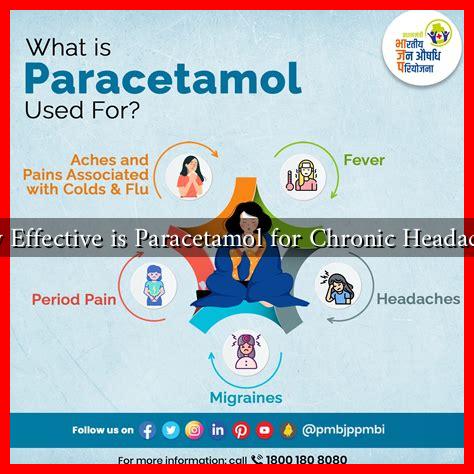
Chronic headaches are a common ailment that affects millions of people worldwide. Among the various treatment options available, paracetamol (also known as acetaminophen) is frequently used due to its accessibility and perceived safety. This article explores the effectiveness of paracetamol for chronic headaches, examining its mechanism, benefits, limitations, and alternative treatments.
Understanding Chronic Headaches
Chronic headaches are defined as headaches that occur on 15 or more days per month for at least three months. They can be classified into several types, including:
- Tension-type headaches: The most common form, often characterized by a dull, aching sensation.
- Migraine headaches: These are typically more severe and can be accompanied by nausea, vomiting, and sensitivity to light.
- Cluster headaches: Intense headaches that occur in cyclical patterns or clusters.
Understanding the type of headache is crucial for effective treatment, as different types may respond differently to medications like paracetamol.
How Paracetamol Works
Paracetamol is a widely used analgesic and antipyretic medication. It works primarily in the central nervous system, where it inhibits the synthesis of prostaglandins, chemicals that promote inflammation and pain. Unlike non-steroidal anti-inflammatory drugs (NSAIDs), paracetamol does not have significant anti-inflammatory properties, which may limit its effectiveness for certain types of headaches.
Effectiveness of Paracetamol for Chronic Headaches
Research on the effectiveness of paracetamol for chronic headaches presents mixed results. While it can provide relief for some individuals, its efficacy may vary based on headache type and individual response. Here are some key points to consider:
- Tension-type headaches: Studies suggest that paracetamol can be effective in managing mild to moderate tension-type headaches. A systematic review indicated that paracetamol is as effective as NSAIDs for this type of headache.
- Migraine headaches: Paracetamol may be less effective for migraines compared to triptans or NSAIDs. A study published in the Journal of Headache and Pain found that while paracetamol can help, it is often not sufficient for severe migraine attacks.
- Cluster headaches: Paracetamol is generally not recommended for cluster headaches, as these require more aggressive treatment options.
Limitations and Risks of Paracetamol
While paracetamol is generally considered safe when used as directed, there are limitations and potential risks associated with its long-term use:
- Overuse and dependency: Chronic use can lead to over-reliance on paracetamol, which may mask underlying issues.
- Liver damage: High doses or prolonged use can lead to liver toxicity, especially in individuals with pre-existing liver conditions.
- Limited effectiveness: For some individuals, paracetamol may not provide adequate relief, necessitating the exploration of alternative treatments.
Alternative Treatments for Chronic Headaches
Given the limitations of paracetamol, individuals suffering from chronic headaches may consider alternative treatments, including:
- Non-steroidal anti-inflammatory drugs (NSAIDs): Medications like ibuprofen or naproxen may offer better relief for certain headache types.
- Triptans: Specifically designed for migraines, these medications can be highly effective.
- Preventive medications: For chronic migraine sufferers, medications such as beta-blockers or antidepressants may help reduce the frequency of attacks.
- Non-pharmacological approaches: Techniques such as cognitive-behavioral therapy, acupuncture, and biofeedback have shown promise in managing chronic headaches.
Conclusion
Paracetamol can be an effective option for managing certain types of chronic headaches, particularly tension-type headaches. However, its limitations and potential risks necessitate a careful approach to treatment. Individuals experiencing chronic headaches should consult healthcare professionals to determine the most appropriate treatment plan tailored to their specific needs. Exploring alternative therapies and lifestyle changes may also enhance overall headache management and improve quality of life.
In summary, while paracetamol is a valuable tool in the headache management arsenal, it is essential to consider its effectiveness on a case-by-case basis and remain open to other treatment options.
