

Table of Contents
What to Do If You Overdose on Paracetamol?
Paracetamol, also known as acetaminophen, is a widely used over-the-counter medication for pain relief and fever reduction. While it is generally safe when taken as directed, overdosing on paracetamol can lead to severe health complications, including liver damage and even death. Understanding the steps to take in the event of an overdose is crucial for ensuring safety and effective treatment.
Recognizing the Signs of Paracetamol Overdose
Paracetamol overdose can occur accidentally or intentionally. It is essential to recognize the symptoms early to seek appropriate medical help. Symptoms may not appear immediately and can vary based on the amount ingested. Common signs include:
- Nausea and vomiting
- Loss of appetite
- Confusion or disorientation
- Abdominal pain, especially in the upper right side
- Fatigue or weakness
- Jaundice (yellowing of the skin and eyes)
If you or someone you know exhibits these symptoms after taking paracetamol, it is crucial to act quickly.
Immediate Steps to Take
If you suspect an overdose, follow these steps:
- Call Emergency Services: Dial your local emergency number immediately. Time is of the essence in treating a paracetamol overdose.
- Do Not Induce Vomiting: Unless instructed by a medical professional, do not attempt to induce vomiting, as this can cause further complications.
- Provide Information: Be prepared to provide details about the amount of paracetamol taken, the time of ingestion, and any other medications or substances consumed.
- Stay Calm: While it is a serious situation, remaining calm can help you think clearly and follow instructions from emergency responders.
Medical Treatment for Paracetamol Overdose
Upon arrival at a medical facility, healthcare professionals will assess the situation and may perform several tests, including blood tests to measure paracetamol levels. Treatment options may include:
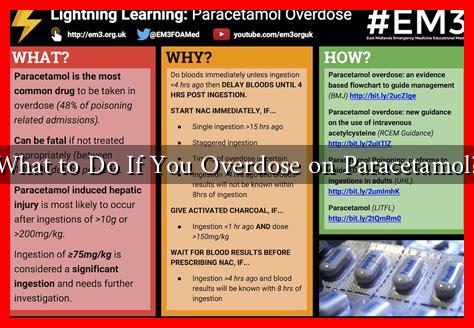
- Activated Charcoal: If the overdose is recent (usually within 1-2 hours), activated charcoal may be administered to absorb the drug and prevent further absorption into the bloodstream.
- N-Acetylcysteine (NAC): This antidote is most effective when given within 8-10 hours of ingestion. NAC helps to replenish glutathione levels in the liver, reducing the risk of liver damage.
- Supportive Care: In severe cases, hospitalization may be required for monitoring and supportive care, including intravenous fluids and medications to manage symptoms.
Statistics and Case Studies
According to the American Association of Poison Control Centers, paracetamol is one of the most common causes of drug overdose in the United States. In 2020, there were over 100,000 reported cases of paracetamol poisoning. A notable case involved a 25-year-old woman who ingested 30 grams of paracetamol in a suicide attempt. She was treated with NAC and, despite initial liver failure, made a full recovery after a liver transplant.
Preventing Paracetamol Overdose
Prevention is always better than cure. Here are some tips to avoid accidental overdose:
- Read Labels: Always read medication labels carefully to avoid taking multiple products containing paracetamol simultaneously.
- Follow Dosage Instructions: Adhere strictly to the recommended dosage and frequency.
- Consult Healthcare Providers: If you are unsure about the appropriate dosage or have underlying health conditions, consult a healthcare professional.
Conclusion
Paracetamol is a commonly used medication that can be safe when taken as directed. However, an overdose can lead to serious health complications. Recognizing the signs of an overdose and knowing the immediate steps to take can save lives. Always seek medical attention promptly and follow preventive measures to avoid accidental overdoses. For more information on paracetamol safety, you can visit the American Association of Poison Control Centers.
