

Table of Contents
What Are the Unexpected Benefits of Being a Veiled Woman?
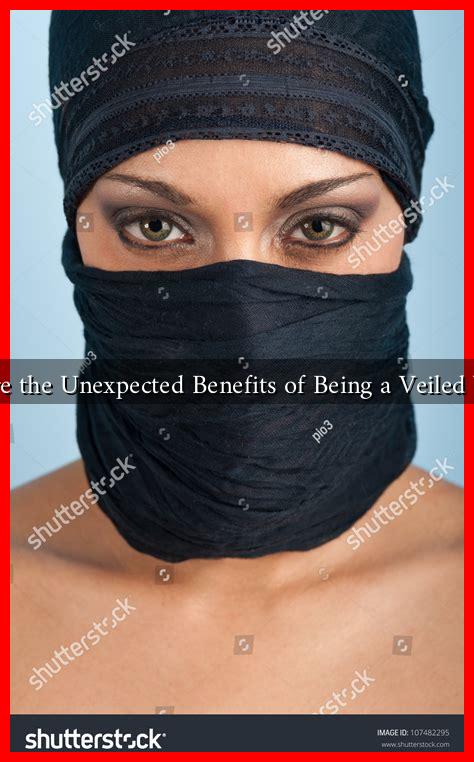
The practice of wearing a veil, whether for religious, cultural, or personal reasons, has been a topic of much debate and discussion. While many people focus on the challenges and restrictions associated with veiling, there are numerous unexpected benefits that veiled women experience. This article explores these advantages, shedding light on the positive aspects of this practice.
Empowerment Through Choice
One of the most significant benefits of being a veiled woman is the empowerment that comes from making a personal choice. For many women, wearing a veil is a conscious decision that reflects their beliefs and values. This autonomy can lead to a stronger sense of identity and self-worth.
- Personal Agency: Choosing to wear a veil can be an act of defiance against societal norms that dictate how women should present themselves.
- Confidence Boost: Many veiled women report feeling more confident in their appearance, as the veil allows them to focus on their inner qualities rather than external judgments.
Social and Cultural Identity
Wearing a veil can also serve as a powerful symbol of cultural and religious identity. For many women, the veil is a connection to their heritage and community.
- Community Bonding: Veiled women often find solidarity and support within their communities, fostering a sense of belonging.
- Preservation of Tradition: By wearing a veil, women contribute to the preservation of cultural practices and traditions, passing them down to future generations.
Protection from Objectification
In a world where women are often objectified based on their appearance, wearing a veil can provide a layer of protection. The veil can shift the focus from physical attributes to personal qualities and intellect.
- Reduced Objectification: Many veiled women report feeling less pressure to conform to beauty standards, allowing them to engage in conversations and activities without the burden of being judged solely on their looks.
- Enhanced Respect: In some cultures, a woman who wears a veil is often treated with more respect, as the veil signifies modesty and dignity.
Enhanced Focus on Personal Development
Wearing a veil can also encourage women to focus on personal development and intellectual pursuits rather than superficial concerns.
- Intellectual Engagement: Many veiled women prioritize education and career development, using their time and energy to cultivate skills and knowledge.
- Community Leadership: Veiled women often take on leadership roles within their communities, advocating for social change and empowerment.
Health Benefits
Interestingly, there are also health benefits associated with wearing a veil. While this may not be the primary reason for veiling, it is worth noting.
- Sun Protection: In sunny climates, a veil can provide protection from harmful UV rays, reducing the risk of skin cancer.
- Reduced Allergens: A veil can help filter out dust and pollen, which may be beneficial for women with allergies or respiratory issues.
Case Studies and Statistics
Research has shown that veiled women often experience unique advantages in various aspects of life. For instance, a study conducted by the Pew Research Center found that 62% of Muslim women who wear the hijab feel empowered by their choice, emphasizing the positive impact of personal agency.
Additionally, a case study in France highlighted how veiled women in professional settings often reported feeling more respected and valued for their skills rather than their appearance, leading to greater job satisfaction and career advancement.
Conclusion
While the conversation around veiling often centers on the challenges faced by women, it is essential to recognize the unexpected benefits that come with this practice. From empowerment and cultural identity to protection from objectification and health advantages, being a veiled woman can offer a unique perspective on life. By understanding these benefits, we can foster a more inclusive dialogue that appreciates the diverse experiences of women around the world.
For further reading on the topic, you can explore resources from organizations like Pew Research Center that provide insights into the experiences of veiled women globally.
