

Table of Contents
How is the Hijab Represented in Media Discussions Across Nations?
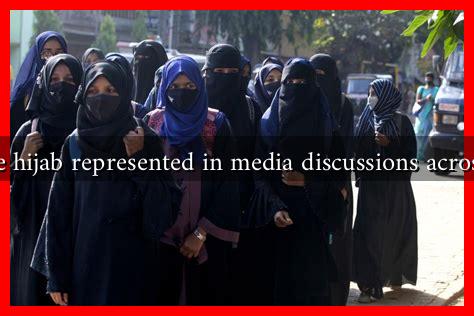
The hijab, a traditional headscarf worn by many Muslim women, has become a focal point of media discussions worldwide. Its representation varies significantly across different cultures and nations, often reflecting broader societal attitudes towards Islam, gender, and identity. This article explores how the hijab is portrayed in media discussions, examining the implications of these representations and their impact on public perception.
The Hijab in Western Media
In Western countries, the hijab is often depicted through a lens of controversy and misunderstanding. Media narratives frequently frame the hijab as a symbol of oppression, leading to a one-dimensional portrayal of Muslim women. This perspective can be attributed to several factors:
- Political Context: Events such as the September 11 attacks and subsequent global conflicts have heightened scrutiny of Islamic practices, including the hijab.
- Misrepresentation: Many Western media outlets tend to focus on extreme cases, such as forced veiling, while neglecting the voices of women who choose to wear the hijab voluntarily.
- Sensationalism: Stories that emphasize conflict or controversy often attract more attention, leading to skewed representations.
For instance, a study by the Pew Research Center found that 62% of Americans believe that Islam is more likely than other religions to encourage violence. Such perceptions can influence how the hijab is discussed in media, often associating it with extremism rather than personal choice or cultural identity.
The Hijab in Middle Eastern Media
In contrast, media discussions in Middle Eastern countries often celebrate the hijab as a symbol of cultural identity and religious devotion. However, the representation can vary significantly within the region:
- National Identity: In countries like Iran, the hijab is mandated by law, and media portrayals often emphasize its role in national identity.
- Empowerment Narratives: In more liberal contexts, such as Turkey, media discussions may focus on the hijab as a choice that empowers women, highlighting stories of successful hijab-wearing women in various fields.
- Controversy and Reform: In nations like Saudi Arabia, debates surrounding the hijab can reflect broader discussions about women’s rights and social reform.
For example, the Saudi Vision 2030 initiative has sparked discussions about women’s rights, leading to a more nuanced portrayal of the hijab in local media. Women are increasingly featured in leadership roles, challenging traditional narratives.
Global Perspectives and Social Media Influence
Social media has transformed the way the hijab is discussed globally, allowing for diverse voices to emerge. Platforms like Instagram and TikTok have given rise to a new generation of hijab-wearing influencers who challenge stereotypes and promote positive representations:
- Empowerment and Fashion: Influencers like @hijabfashion showcase the hijab as a fashionable accessory, promoting self-expression and creativity.
- Community Building: Hashtags like #HijabFashion and #MuslimWomen empower women to share their stories and experiences, fostering a sense of community.
- Counter-Narratives: Social media allows for counter-narratives to emerge, challenging mainstream media portrayals and providing a platform for personal stories.
These platforms have become essential in reshaping the narrative around the hijab, allowing women to assert their identities on their own terms.
Conclusion
The representation of the hijab in media discussions varies widely across nations, influenced by cultural, political, and social factors. In Western media, the hijab is often framed as a symbol of oppression, while in Middle Eastern contexts, it can represent cultural identity and empowerment. Social media has emerged as a powerful tool for reshaping these narratives, allowing hijab-wearing women to share their stories and challenge stereotypes.
As global conversations about identity, gender, and religion continue to evolve, it is crucial to recognize the diversity of experiences associated with the hijab. By fostering understanding and empathy, we can move towards a more nuanced representation that honors the choices of women around the world.
