

-
Table of Contents
What Is the Link Between Consent and Sexual Safety?
In recent years, the conversation surrounding consent and sexual safety has gained significant traction. Understanding the link between these two concepts is crucial for fostering a culture of respect and safety in intimate relationships. This article delves into the definition of consent, its importance in ensuring sexual safety, and the broader implications for society.
Defining Consent
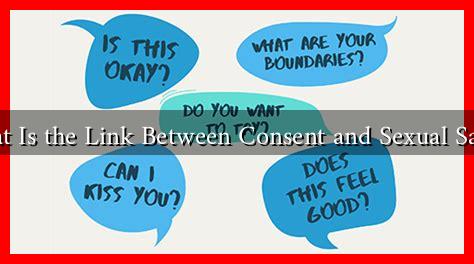
Consent is a mutual agreement between participants to engage in sexual activity. It is essential that this agreement is informed, voluntary, and revocable at any time. The key elements of consent include:
- Informed: All parties must have a clear understanding of what they are consenting to.
- Voluntary: Consent must be given freely, without coercion or manipulation.
- Revocable: Anyone can withdraw consent at any point, and this must be respected.
Consent is not a one-time event; it is an ongoing process that requires communication and respect throughout the sexual encounter. Misunderstandings about consent can lead to serious consequences, including sexual violence and trauma.
The Importance of Consent in Sexual Safety
Consent is a cornerstone of sexual safety. When individuals understand and respect the concept of consent, they create a safer environment for everyone involved. Here are some reasons why consent is vital for sexual safety:
- Prevention of Sexual Violence: Clear communication about consent can significantly reduce the risk of sexual assault. According to the Rape, Abuse & Incest National Network (RAINN), 1 in 6 women and 1 in 33 men have experienced an attempted or completed rape in their lifetime. Promoting consent can help change these statistics.
- Empowerment: Understanding consent empowers individuals to express their boundaries and desires. This empowerment fosters healthier relationships and encourages open dialogue about sexual preferences.
- Building Trust: Consent is foundational for trust in any relationship. When partners communicate openly about their boundaries, it strengthens their emotional connection and enhances their sexual experiences.
Case Studies and Real-World Examples
Several high-profile cases have highlighted the importance of consent in recent years. For instance, the #MeToo movement brought to light numerous instances of sexual misconduct and the lack of consent in various industries. These cases have sparked discussions about the need for clearer definitions of consent and the importance of holding individuals accountable for their actions.
In educational settings, many universities have implemented consent education programs to address sexual violence on campuses. For example, the University of California system has adopted a comprehensive approach to consent education, which includes workshops and training sessions aimed at fostering a culture of respect and safety among students.
Statistics on Consent and Sexual Safety
Understanding the statistics surrounding consent and sexual safety can provide insight into the urgency of this issue:
- According to the National Sexual Violence Resource Center, 1 in 5 women and 1 in 71 men will be raped at some point in their lives.
- Approximately 63% of sexual assaults are not reported to the police, often due to fear of not being believed or the stigma surrounding victims.
- Studies show that comprehensive consent education can lead to a significant decrease in incidents of sexual violence on college campuses.
Conclusion
The link between consent and sexual safety is undeniable. Consent is not just a legal requirement; it is a fundamental aspect of respectful and healthy relationships. By promoting a culture of consent, we can work towards reducing sexual violence and creating safer environments for everyone. Education, open communication, and a commitment to respecting boundaries are essential steps in this journey. As society continues to evolve, it is imperative that we prioritize consent as a means of ensuring sexual safety for all individuals.
For more information on consent and sexual safety, you can visit RAINN and explore their resources.
