

-
Table of Contents
What Role Does Stress Play in Sexual Dysfunction?
Sexual dysfunction is a complex issue that affects millions of individuals worldwide, transcending age, gender, and sexual orientation. While various physiological and psychological factors contribute to sexual dysfunction, stress is increasingly recognized as a significant player. This article explores the intricate relationship between stress and sexual dysfunction, shedding light on how stress impacts sexual health and offering insights into potential solutions.
Understanding Stress and Its Types
Stress is the body’s natural response to perceived threats or challenges, often referred to as the “fight or flight” response. It can be categorized into two main types:
- Acute Stress: Short-term stress that arises from immediate challenges, such as a work deadline or a public speaking event.
- Chronic Stress: Long-term stress resulting from ongoing issues, such as financial difficulties, relationship problems, or job dissatisfaction.
Both types of stress can have profound effects on physical and mental health, but chronic stress is particularly detrimental to sexual function.
The Physiological Impact of Stress on Sexual Function
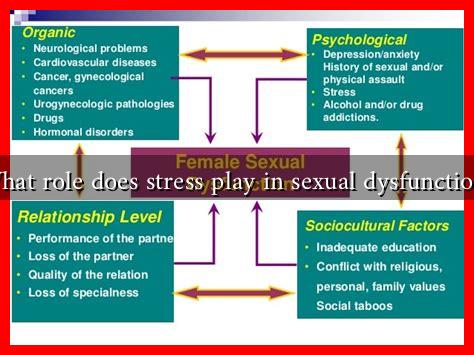
Stress triggers a cascade of physiological responses in the body, primarily through the release of stress hormones like cortisol and adrenaline. These hormones can lead to several changes that negatively affect sexual function:
- Reduced Libido: Elevated cortisol levels can diminish sexual desire, making it difficult for individuals to feel aroused.
- Impaired Blood Flow: Stress can constrict blood vessels, reducing blood flow to the genitals, which is essential for arousal and orgasm.
- Hormonal Imbalance: Chronic stress can disrupt the balance of sex hormones, such as testosterone and estrogen, further impacting sexual desire and performance.
The Psychological Effects of Stress on Sexual Dysfunction
In addition to physiological changes, stress can also lead to psychological issues that contribute to sexual dysfunction:
- Anxiety: Stress often manifests as anxiety, which can create a cycle of worry about sexual performance, leading to erectile dysfunction or premature ejaculation in men and difficulty achieving orgasm in women.
- Depression: Chronic stress is a known precursor to depression, which can significantly reduce interest in sex and impair sexual function.
- Relationship Strain: Stress can create tension in relationships, leading to communication breakdowns and decreased intimacy, further exacerbating sexual dysfunction.
Statistics and Case Studies
Research underscores the connection between stress and sexual dysfunction. A study published in the Journal of Sexual Medicine found that nearly 40% of men and 63% of women reported experiencing sexual dysfunction related to stress. Another study indicated that individuals with high levels of perceived stress were 2.5 times more likely to report sexual dysfunction than those with lower stress levels.
Case studies also illustrate this relationship. For instance, a 35-year-old male patient experiencing chronic work-related stress reported difficulties with erectile function. After implementing stress management techniques, including mindfulness and cognitive-behavioral therapy, he experienced significant improvements in both his sexual function and overall well-being.
Managing Stress to Improve Sexual Health
Addressing stress is crucial for improving sexual function. Here are some effective strategies:
- Mindfulness and Meditation: Practicing mindfulness can help individuals manage stress and improve their mental state, leading to enhanced sexual health.
- Regular Exercise: Physical activity is a natural stress reliever that can boost mood and improve blood flow, positively impacting sexual function.
- Open Communication: Discussing stressors and sexual concerns with partners can foster intimacy and reduce anxiety related to performance.
- Professional Help: Seeking therapy or counseling can provide individuals with tools to manage stress effectively and address underlying psychological issues.
Conclusion
Stress plays a multifaceted role in sexual dysfunction, affecting both physiological and psychological aspects of sexual health. Understanding this relationship is crucial for individuals experiencing sexual difficulties. By recognizing the impact of stress and implementing effective management strategies, individuals can improve their sexual function and overall quality of life. As research continues to evolve, it is essential to prioritize mental health and stress management as integral components of sexual well-being.
