

-
Table of Contents
How is the Portrayal of Women in Tech Changing in Media?
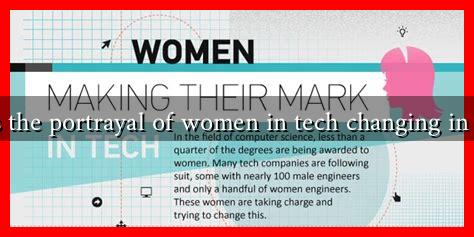
The portrayal of women in technology has undergone significant transformation in recent years, reflecting broader societal changes and the increasing recognition of gender diversity in the tech industry. Historically, women in tech were often depicted in stereotypical roles, but contemporary media is beginning to showcase a more nuanced and empowering representation. This article explores the evolution of this portrayal, highlighting key trends, examples, and the impact of these changes on society.
The Historical Context
For decades, the media’s representation of women in technology has been fraught with stereotypes. Women were often depicted as either the “damsel in distress” needing rescue by a male tech hero or as the “token female” in a predominantly male environment. This narrow portrayal contributed to the perception that tech was a male-dominated field, discouraging many young women from pursuing careers in STEM (Science, Technology, Engineering, and Mathematics).
Shifting Narratives in Media
In recent years, there has been a noticeable shift in how women in tech are portrayed across various media platforms. This change can be attributed to several factors:
- Increased Visibility: The rise of social media and online platforms has allowed women in tech to share their stories and achievements, creating a more diverse narrative.
- Role Models: Prominent figures such as Sheryl Sandberg, CEO of Facebook, and Ginni Rometty, former CEO of IBM, have become role models, inspiring a new generation of women to enter the tech field.
- Media Representation: Films and television shows are increasingly featuring strong female characters in tech roles, such as the character of Felicity Smoak in “Arrow” and the lead in “Hidden Figures,” which tells the story of African American women mathematicians at NASA.
Case Studies: Positive Representations
Several media productions have played a pivotal role in changing the narrative around women in tech:
- Hidden Figures (2016): This film highlights the contributions of Katherine Johnson, Dorothy Vaughan, and Mary Jackson, three African American women who were instrumental in NASA’s early space missions. The film not only showcases their technical skills but also addresses the racial and gender biases they faced.
- Silicon Valley (2014-2019): While primarily a comedy, this HBO series features female characters who are not just love interests but are integral to the tech startup culture, showcasing their intelligence and capabilities.
- She’s the Boss (2020): This documentary series profiles female entrepreneurs in tech, providing insights into their journeys and the challenges they face, thus humanizing their experiences.
Statistics Reflecting Change
The changing portrayal of women in tech is also supported by statistics that indicate a growing presence of women in the industry:
- According to a report by the National Center for Women & Information Technology (NCWIT), women held 26% of computing jobs in 2020, up from 24% in 2018.
- A 2021 study by McKinsey & Company found that companies with more women in leadership positions are 21% more likely to outperform their male counterparts in profitability.
- The number of women pursuing computer science degrees has increased, with women earning 20% of computer science degrees in 2020, compared to just 12% in 2006.
The Role of Social Media and Online Communities
Social media platforms have become vital in amplifying the voices of women in tech. Hashtags like #WomenInTech and #GirlsWhoCode have created communities that celebrate female achievements and provide support. These platforms allow women to share their experiences, challenges, and successes, fostering a sense of belonging and empowerment.
Conclusion: A Promising Future
The portrayal of women in tech is evolving, moving away from outdated stereotypes towards a more inclusive and empowering narrative. As media continues to reflect the changing dynamics of the tech industry, it plays a crucial role in inspiring future generations of women to pursue careers in technology. The increased visibility of female role models, coupled with supportive online communities, is paving the way for a more equitable future in tech. By continuing to challenge stereotypes and celebrate diversity, media can contribute significantly to closing the gender gap in technology.
For further reading on the impact of women in tech, you can explore resources from NCWIT and McKinsey & Company.
