-
Table of Contents
6 Components of Health
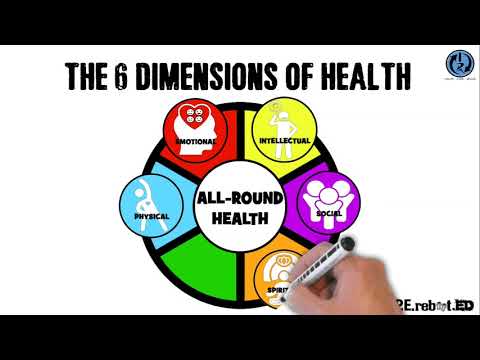
Health is a multifaceted concept that encompasses various dimensions, each playing a crucial role in overall well-being. Understanding the different components of health is essential for maintaining a balanced and healthy lifestyle. In this article, we will explore the six key components of health and discuss their significance in promoting optimal health and wellness.
1. Physical Health
Physical health refers to the state of the body and its ability to perform daily activities effectively. It involves factors such as exercise, nutrition, sleep, and regular medical check-ups. Maintaining good physical health is essential for preventing chronic diseases and promoting longevity.
- Engaging in regular exercise, such as cardio and strength training, can improve cardiovascular health and muscle strength.
- Eating a balanced diet rich in fruits, vegetables, whole grains, and lean proteins can provide essential nutrients for overall health.
- Getting an adequate amount of sleep each night is crucial for physical and mental well-being.
According to the Centers for Disease Control and Prevention, physical activity can reduce the risk of chronic diseases, improve mental health, and boost overall quality of life.
2. Mental Health
Mental health encompasses emotional, psychological, and social well-being. It involves how individuals think, feel, and behave in various situations. Maintaining good mental health is essential for coping with stress, building resilience, and fostering positive relationships.
- Practicing mindfulness and meditation can help reduce stress and improve mental clarity.
- Seeking therapy or counseling can provide support for mental health issues such as anxiety and depression.
- Building strong social connections and engaging in meaningful activities can promote emotional well-being.
According to the World Health Organization, mental health is an integral part of overall health and well-being, and it is essential for achieving a balanced and fulfilling life.
3. Emotional Health
Emotional health involves understanding and managing one’s emotions effectively. It includes the ability to express feelings, cope with stress, and maintain a positive outlook on life. Cultivating good emotional health is essential for building resilience and managing life’s challenges.
- Practicing self-care activities, such as journaling or taking a relaxing bath, can help reduce stress and improve emotional well-being.
- Engaging in activities that bring joy and fulfillment, such as hobbies or spending time with loved ones, can boost emotional health.
- Seeking support from friends, family, or mental health professionals can provide a safe space to express emotions and seek guidance.
According to the Mental Health America, taking care of your emotional health is essential for overall well-being and can improve your quality of life.
4. Social Health
Social health refers to the quality of relationships and interactions with others. It involves building strong social connections, fostering a sense of belonging, and engaging in meaningful social activities. Maintaining good social health is essential for emotional support, stress management, and overall well-being.
- Participating in community events or volunteering can help build social connections and create a sense of belonging.
- Building and maintaining healthy relationships with friends, family, and colleagues can provide emotional support and enhance social health.
- Engaging in open communication and resolving conflicts effectively can strengthen relationships and promote positive social interactions.
According to a study published in the Journal of Health and Social Behavior, social relationships play a significant role in overall health and well-being, highlighting the importance of social health in promoting a healthy lifestyle.
5. Spiritual Health
Spiritual health involves finding meaning and purpose in life, connecting with a higher power or belief system, and cultivating inner peace and harmony. It includes practices such as meditation, prayer, and reflection. Nurturing spiritual health is essential for finding inner strength, resilience, and a sense of purpose.
- Engaging in spiritual practices, such as meditation or yoga, can help cultivate inner peace and mindfulness.
- Exploring personal beliefs and values can provide clarity and guidance in navigating life’s challenges.
- Connecting with nature or participating in spiritual communities can foster a sense of connection and belonging.
According to the National Center for Biotechnology Information, spiritual health is associated with improved mental health, emotional well-being, and overall quality of life, highlighting its importance in promoting holistic health.
6. Environmental Health
Environmental health refers to the impact of the environment on human health. It involves factors such as air quality, water quality, food safety, and exposure to toxins. Maintaining good environmental health is essential for preventing diseases, promoting sustainability, and protecting the planet.
- Reducing exposure to environmental pollutants, such as air pollution or toxic chemicals, can help protect health and well-being.
- Practicing sustainable habits, such as recycling and conserving energy, can promote environmental health and reduce ecological impact.
- Supporting policies and initiatives that promote environmental protection and sustainability can contribute to a healthier planet for future generations.
According to the World Health Organization, environmental health is a critical component of overall health and well-being, emphasizing the importance of creating a healthy and sustainable environment for all.
Summary
In conclusion, the six components of health—physical, mental, emotional, social, spiritual, and environmental—are interconnected and essential for promoting overall well-being. By focusing on each component and incorporating healthy habits and practices into daily life, individuals can achieve a balanced and holistic approach to health. It is important to prioritize self-care, seek support when needed, and make conscious choices that support health and wellness. By addressing all aspects of health, individuals can lead fulfilling lives and thrive in all areas of their well-being.