-
Table of Contents

5 Health Related Components of Fitness
Fitness is not just about how much weight you can lift or how fast you can run. It encompasses a variety of components that contribute to overall health and well-being. When it comes to fitness, there are five key health-related components that are essential for optimal physical performance and overall wellness. Let’s explore these components in detail.
1. Cardiovascular Endurance
Cardiovascular endurance refers to the ability of the heart, lungs, and blood vessels to deliver oxygen and nutrients to the body’s tissues during prolonged physical activity. This component is crucial for maintaining a healthy cardiovascular system and reducing the risk of heart disease, stroke, and other cardiovascular conditions.
- Examples of exercises that improve cardiovascular endurance include running, cycling, swimming, and aerobics.
- According to the American Heart Association, adults should aim for at least 150 minutes of moderate-intensity aerobic activity per week to maintain cardiovascular health.
2. Muscular Strength
Muscular strength is the ability of a muscle or group of muscles to exert force against resistance. Building muscular strength is important for improving overall physical performance, preventing injuries, and maintaining bone density as we age.
- Strength training exercises such as weightlifting, bodyweight exercises, and resistance band workouts can help increase muscular strength.
- Regular strength training can also boost metabolism, improve posture, and enhance overall body composition.
3. Muscular Endurance
Muscular endurance is the ability of a muscle or group of muscles to sustain repeated contractions over a period of time. This component is essential for activities that require prolonged muscle exertion, such as running a marathon or performing multiple sets of push-ups.
- Exercises that improve muscular endurance include high-repetition weightlifting, circuit training, and bodyweight exercises like planks and squats.
- Improving muscular endurance can enhance stamina, reduce fatigue, and increase overall work capacity.
4. Flexibility
Flexibility refers to the range of motion around a joint or group of joints. Maintaining good flexibility is important for preventing injuries, improving posture, and enhancing overall movement quality.
- Stretching exercises such as yoga, Pilates, and dynamic stretching can help improve flexibility.
- Flexibility training can also alleviate muscle tightness, reduce the risk of muscle strains, and enhance athletic performance.
5. Body Composition
Body composition refers to the proportion of fat, muscle, bone, and other tissues in the body. Achieving a healthy body composition is essential for overall health and well-being, as excess body fat can increase the risk of chronic diseases such as diabetes, heart disease, and certain types of cancer.
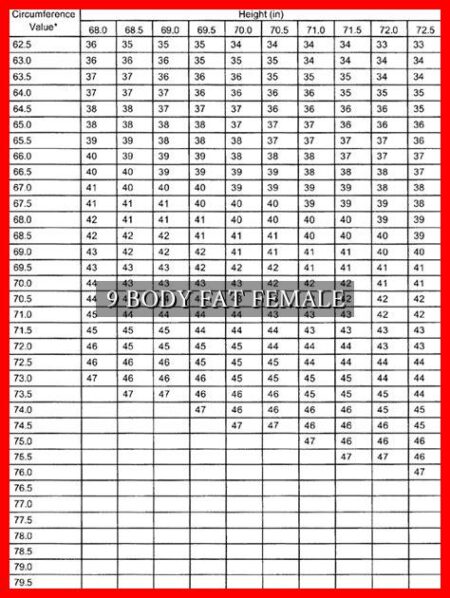
- Monitoring body composition through methods such as body mass index (BMI), waist circumference, and body fat percentage can help individuals assess their health status.
- Combining regular exercise with a balanced diet can help improve body composition by reducing body fat and increasing lean muscle mass.
Summary
Overall, the five health-related components of fitness—cardiovascular endurance, muscular strength, muscular endurance, flexibility, and body composition—are essential for achieving optimal physical performance and overall wellness. By incorporating a variety of exercises and activities that target these components, individuals can improve their fitness levels, reduce the risk of chronic diseases, and enhance their quality of life. Remember, fitness is not just about looking good; it’s about feeling good and living a healthy, active lifestyle.