


-
Table of Contents
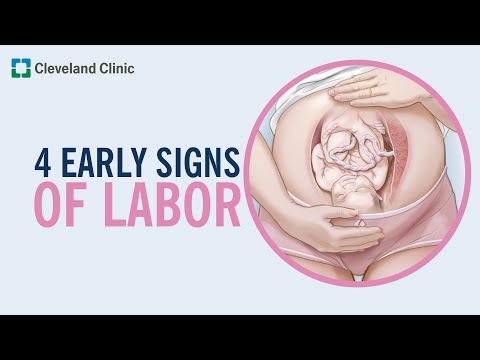
38 WEEKS: WHAT ARE THE SIGNS OF LABOR
As expectant mothers approach the end of their pregnancy journey, the anticipation of labor and delivery becomes more prominent. At 38 weeks, many women are on high alert for any signs that labor may be imminent. Understanding the signs of labor at this stage can help mothers-to-be prepare both mentally and physically for the arrival of their little one.
1. Lightening
One of the first signs that labor may be approaching is a phenomenon known as “lightening.” This occurs when the baby drops lower into the pelvis in preparation for birth. Women may notice that they can breathe more easily as the pressure on their diaphragm decreases. Additionally, they may feel increased pressure on their bladder, leading to more frequent trips to the bathroom.
2. Increased Braxton Hicks Contractions
Braxton Hicks contractions, also known as false labor, are common throughout pregnancy. However, as the due date approaches, these contractions may become more frequent and intense. True labor contractions will typically be regular, increase in intensity, and become closer together over time.
3. Bloody Show
Another sign that labor may be near is the presence of a “bloody show.” This occurs when the mucus plug that has been sealing the cervix during pregnancy is expelled. The mucus may be tinged with blood, indicating that the cervix is beginning to dilate in preparation for labor.
4. Nesting Instinct
Many women experience a sudden burst of energy and a strong urge to clean and organize their home in the days leading up to labor. This phenomenon, known as the nesting instinct, is believed to be nature’s way of preparing the mother for the arrival of her baby.
5. Water Breaking
One of the most well-known signs of labor is the breaking of the amniotic sac, commonly referred to as the water breaking. This can happen as a sudden gush of fluid or as a slow trickle. It is important to contact your healthcare provider immediately if your water breaks, as it can increase the risk of infection.
6. Back Pain
As labor approaches, many women experience lower back pain or cramping. This is often a sign that the baby is moving into position for birth. Some women may also feel pressure in their pelvis or thighs as the baby’s head engages in the pelvis.
7. Intuition
Many women report having a strong intuition or gut feeling that labor is near. Trusting your instincts and listening to your body can be valuable tools in recognizing the signs of labor.
Conclusion
As you reach 38 weeks of pregnancy, being aware of the signs of labor can help you prepare for the exciting journey ahead. From lightening and increased Braxton Hicks contractions to the nesting instinct and water breaking, each sign plays a crucial role in signaling that your baby’s arrival is imminent. Remember to stay in close communication with your healthcare provider and trust your body’s signals as you navigate this final stage of pregnancy.
For more information on signs of labor, visit Mayo Clinic.
