-
Table of Contents
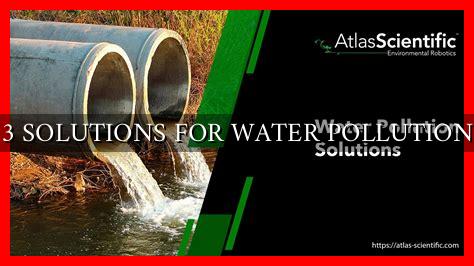
3 Solutions for Water Pollution
Water pollution is a pressing global issue that affects the health of ecosystems, wildlife, and human populations. Contaminants such as chemicals, plastics, and sewage can have devastating effects on water quality, leading to a range of environmental and health problems.
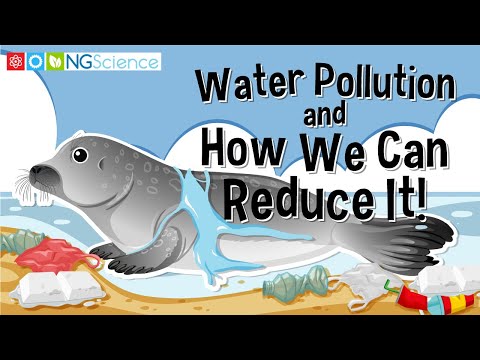
. Fortunately, there are solutions that can help mitigate and prevent water pollution. In this article, we will explore three effective strategies for addressing water pollution.
1. Implementing Proper Waste Management Systems
One of the primary sources of water pollution is improper waste disposal. When waste is not managed effectively, it can end up in water bodies, contaminating them with harmful substances. To combat this issue, governments and communities must prioritize the implementation of proper waste management systems.
- Establishing recycling programs to reduce the amount of waste that ends up in landfills and water bodies.
- Enforcing strict regulations on industrial waste disposal to prevent harmful chemicals from contaminating water sources.
- Investing in wastewater treatment plants to ensure that sewage and other pollutants are properly treated before being released into the environment.
By improving waste management practices, we can significantly reduce the amount of pollution entering our water systems.
2. Promoting Sustainable Agriculture Practices
Agricultural activities are another major contributor to water pollution, as fertilizers and pesticides used in farming can leach into water bodies, causing contamination. To address this issue, it is essential to promote sustainable agriculture practices that minimize the impact of farming on water quality.
- Encouraging the use of organic farming methods that rely on natural fertilizers and pest control measures.
- Implementing buffer zones and riparian buffers along water bodies to prevent runoff from agricultural fields.
- Adopting precision agriculture techniques to reduce the amount of chemicals used in farming and minimize their impact on water sources.
By promoting sustainable agriculture practices, we can protect water quality and safeguard the health of ecosystems that depend on clean water.
3. Raising Awareness and Educating the Public
Education and awareness are key components of any successful water pollution prevention strategy. By informing the public about the causes and consequences of water pollution, we can empower individuals to take action to protect our water resources.
- Organizing community clean-up events to remove trash and debris from water bodies.
- Teaching students about the importance of water conservation and pollution prevention in schools.
- Engaging with local communities to raise awareness about the impact of pollution on water quality.
By educating the public and fostering a sense of responsibility towards the environment, we can create a culture of conservation that will help preserve our water resources for future generations.
Conclusion
Water pollution is a complex and multifaceted issue that requires a coordinated effort to address. By implementing proper waste management systems, promoting sustainable agriculture practices, and raising awareness and educating the public, we can make significant strides towards reducing water pollution and protecting our precious water resources. It is crucial that governments, communities, and individuals work together to implement these solutions and ensure a clean and healthy environment for all.