-
Table of Contents
3 Solutions for Deforestation
Deforestation is a critical environmental issue that continues to threaten our planet’s biodiversity and contribute to climate change. It is estimated that 18 million acres of forest are lost each year, equivalent to 27 soccer fields every minute. The consequences of deforestation are far-reaching, impacting wildlife habitats, indigenous communities, and the global climate. However, there are solutions that can help combat deforestation and promote sustainable forest management. In this article, we will explore three effective solutions for addressing deforestation.
Solution 1: Sustainable Logging Practices
One of the primary drivers of deforestation is logging for timber and paper products.
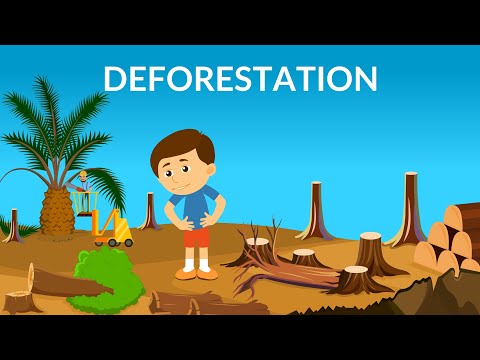
. Unsustainable logging practices, such as clear-cutting and illegal logging, can devastate forests and lead to irreversible damage. To combat this issue, implementing sustainable logging practices is essential. Sustainable logging involves harvesting trees in a way that maintains the health and biodiversity of the forest ecosystem.
- One example of sustainable logging is selective logging, where only a small percentage of trees are harvested, leaving the majority of the forest intact.
- Certification programs like the Forest Stewardship Council (FSC) ensure that timber products come from responsibly managed forests.
By promoting sustainable logging practices, we can reduce the impact of deforestation and protect our forests for future generations.
Solution 2: Reforestation and Afforestation
Reforestation and afforestation are crucial strategies for combating deforestation and restoring degraded landscapes. Reforestation involves planting trees in areas that have been deforested, while afforestation involves planting trees in areas that were not previously forested. These practices help to sequester carbon, improve soil health, and provide habitat for wildlife.
- China’s Great Green Wall project is a massive afforestation initiative aimed at combating desertification and reducing soil erosion.
- The Bonn Challenge is a global effort to restore 350 million hectares of degraded land by 2030 through reforestation and afforestation projects.
By investing in reforestation and afforestation efforts, we can reverse the damage caused by deforestation and create a more sustainable future for our planet.
Solution 3: Sustainable Agriculture Practices
Agriculture is another major driver of deforestation, as forests are often cleared to make way for cropland and pasture. Adopting sustainable agriculture practices can help reduce the pressure on forests and promote more environmentally friendly food production methods.
- Agroforestry combines tree planting with agricultural crops, providing multiple benefits such as improved soil fertility and increased biodiversity.
- Rotational grazing allows livestock to graze on pastureland in a controlled manner, preventing overgrazing and soil erosion.
By promoting sustainable agriculture practices, we can protect forests, reduce greenhouse gas emissions, and ensure food security for future generations.
Conclusion
Deforestation is a complex issue that requires a multifaceted approach to address. By implementing sustainable logging practices, investing in reforestation and afforestation projects, and promoting sustainable agriculture practices, we can make significant progress in combating deforestation and preserving our planet’s forests. It is crucial that individuals, governments, and businesses work together to protect our forests and ensure a sustainable future for all.