-
Table of Contents
3 Duties of Community Health Workers
Community health workers play a crucial role in promoting health and wellness within their communities. They serve as a bridge between healthcare providers and the community, helping to improve access to healthcare services and education.
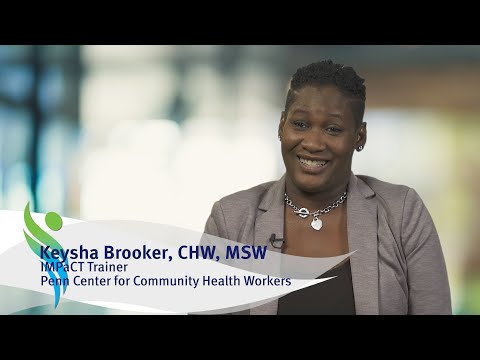
. In this article, we will explore three key duties of community health workers and their impact on public health.
1. Health Education and Promotion
One of the primary duties of community health workers is to educate community members about health-related issues and promote healthy behaviors. They conduct outreach programs, workshops, and one-on-one sessions to raise awareness about topics such as nutrition, exercise, disease prevention, and reproductive health.
- Community health workers may organize health fairs to provide free screenings for conditions like diabetes, hypertension, and HIV/AIDS.
- They distribute educational materials on topics such as proper handwashing techniques, vaccination schedules, and family planning methods.
- By empowering community members with knowledge, community health workers help prevent diseases and improve overall health outcomes.
For example, in a study conducted in rural India, community health workers were able to significantly increase knowledge about maternal and child health among women in the community, leading to improved health-seeking behaviors and reduced maternal and infant mortality rates (source).
2. Care Coordination and Referrals
Community health workers also play a vital role in connecting community members to healthcare services and resources. They help individuals navigate the healthcare system, schedule appointments, and follow up on treatment plans. In addition, they provide referrals to specialists, social services, and support groups as needed.
- Community health workers assist individuals in accessing primary care services, mental health counseling, and substance abuse treatment.
- They advocate for patients with chronic conditions to ensure they receive appropriate care and support for managing their health.
- By facilitating access to healthcare services, community health workers help reduce disparities in healthcare and improve health outcomes for underserved populations.
For instance, a study in the United States found that community health workers were effective in improving access to care for low-income individuals with chronic diseases, resulting in better management of their conditions and reduced hospitalizations (source).
3. Health Monitoring and Data Collection
Another important duty of community health workers is to monitor the health status of community members and collect data on health trends and outcomes. They conduct home visits, screenings, and surveys to assess the needs of the community and track progress towards health goals.
- Community health workers monitor vital signs, symptoms, and medication adherence for individuals with chronic conditions.
- They collect data on disease prevalence, immunization rates, and health behaviors to inform public health interventions and policies.
- By gathering and analyzing health data, community health workers contribute to evidence-based decision-making and program planning to address community health needs effectively.
For example, a study in South Africa demonstrated that community health workers were instrumental in collecting data on HIV/AIDS prevalence and treatment outcomes, leading to improved monitoring and evaluation of HIV programs (source).
Summary
Community health workers play a vital role in promoting health and wellness within their communities through health education and promotion, care coordination and referrals, and health monitoring and data collection. By empowering community members with knowledge, connecting them to healthcare services, and monitoring their health status, community health workers contribute to improving health outcomes and reducing health disparities. Their dedication and commitment to public health make them invaluable assets in the healthcare system.