-
Table of Contents
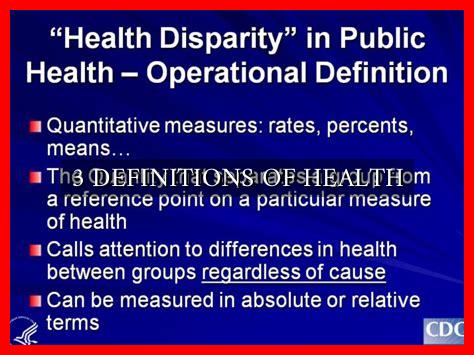
3 Definitions of Health
Health is a multifaceted concept that encompasses physical, mental, and social well-being. It is not merely the absence of disease but a state of complete physical, mental, and social well-being.

. In this article, we will explore three different definitions of health and how they contribute to our overall well-being.
1. World Health Organization (WHO) Definition
The World Health Organization defines health as “a state of complete physical, mental, and social well-being and not merely the absence of disease or infirmity.” This definition emphasizes the holistic nature of health, highlighting the importance of not only physical health but also mental and social well-being.
- Physical health: This includes factors such as nutrition, exercise, and disease prevention. Maintaining a healthy lifestyle through regular exercise and a balanced diet is essential for overall physical well-being.
- Mental health: Mental health encompasses emotional, psychological, and social well-being. It is important to take care of our mental health by managing stress, seeking support when needed, and practicing self-care.
- Social well-being: Social well-being refers to our relationships with others and our sense of belonging in a community. Building strong social connections and engaging in meaningful relationships are crucial for our overall well-being.
By adopting the WHO definition of health, we can strive to achieve a balanced state of physical, mental, and social well-being, leading to a healthier and happier life.
2. Biopsychosocial Model of Health
The biopsychosocial model of health takes a more comprehensive approach to understanding health by considering the biological, psychological, and social factors that influence our well-being. This model recognizes that health is influenced by a complex interplay of biological, psychological, and social factors.
- Biological factors: These include genetics, physiology, and physical health. Our genetic makeup and physical health play a significant role in determining our overall well-being.
- Psychological factors: Psychological factors such as stress, emotions, and beliefs can impact our health. Managing stress, cultivating positive emotions, and maintaining a healthy mindset are essential for our well-being.
- Social factors: Social factors such as relationships, community support, and socioeconomic status also play a crucial role in our health. Building strong social connections and addressing social determinants of health are important for overall well-being.
By adopting the biopsychosocial model of health, we can take a more holistic approach to our well-being, addressing the interconnected nature of biological, psychological, and social factors that influence our health.
3. Positive Health Model
The positive health model focuses on promoting health and well-being rather than just preventing disease. This model emphasizes the importance of positive factors that contribute to our overall well-being, such as resilience, optimism, and self-efficacy.
- Resilience: Resilience is the ability to bounce back from adversity and overcome challenges. Building resilience through coping strategies and social support can enhance our overall well-being.
- Optimism: Optimism involves having a positive outlook on life and believing in one’s ability to overcome obstacles. Cultivating optimism can improve mental health and overall well-being.
- Self-efficacy: Self-efficacy refers to our belief in our ability to achieve goals and overcome obstacles. Developing self-efficacy through setting realistic goals and building confidence can enhance our well-being.
By adopting the positive health model, we can focus on building strengths and promoting positive factors that contribute to our overall well-being, leading to a healthier and more fulfilling life.
Summary
Health is a complex and multifaceted concept that encompasses physical, mental, and social well-being. By exploring different definitions of health, such as the WHO definition, the biopsychosocial model, and the positive health model, we can gain a deeper understanding of what it means to be healthy. By adopting a holistic approach to health and focusing on promoting well-being, we can strive to achieve a balanced state of physical, mental, and social well-being, leading to a healthier and happier life.