-
Table of Contents
2 SOLUTIONS FOR DEFORESTATION
Deforestation is a critical environmental issue that continues to threaten our planet’s biodiversity and contribute to climate change. The loss of forests not only impacts wildlife and ecosystems but also exacerbates global warming by releasing carbon dioxide into the atmosphere. In order to combat deforestation, it is essential to implement sustainable solutions that promote forest conservation and restoration. In this article, we will explore two effective strategies for addressing deforestation and preserving our forests for future generations.
Sustainable Logging Practices
One of the main drivers of deforestation is logging for timber and paper production. Unsustainable logging practices, such as clear-cutting and illegal logging, can devastate forests and lead to irreversible damage.
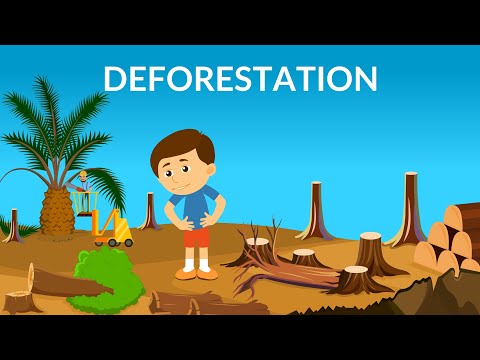
. However, there are sustainable logging practices that can help mitigate the negative impacts of deforestation.
- Selective Logging: Selective logging involves carefully choosing which trees to harvest, leaving the rest of the forest intact. This method helps maintain biodiversity and allows forests to regenerate naturally.
- Forest Certification: Forest certification programs, such as the Forest Stewardship Council (FSC), ensure that timber products come from responsibly managed forests. By purchasing FSC-certified products, consumers can support sustainable logging practices.
By promoting sustainable logging practices, we can reduce the demand for illegal logging and protect our forests from destruction. Companies and governments must prioritize sustainable forestry management to ensure the long-term health of our forests.
Reforestation and Afforestation
In addition to sustainable logging practices, reforestation and afforestation are crucial strategies for combating deforestation. Reforestation involves planting trees in areas that have been deforested, while afforestation involves planting trees in areas that were not previously forested. These practices help restore ecosystems, sequester carbon, and provide habitat for wildlife.
- Community Reforestation Projects: Community-based reforestation projects empower local communities to participate in tree planting initiatives. These projects not only restore forests but also provide economic opportunities for communities.
- Government Afforestation Programs: Governments can implement afforestation programs to convert degraded lands into forests. By investing in afforestation, countries can increase forest cover and combat deforestation.
Reforestation and afforestation play a vital role in reversing the effects of deforestation and promoting sustainable land use practices. By planting trees and restoring degraded ecosystems, we can protect biodiversity, mitigate climate change, and ensure a healthy environment for future generations.
Conclusion
Deforestation is a complex issue that requires multifaceted solutions. By implementing sustainable logging practices, reforestation, and afforestation initiatives, we can work towards preserving our forests and mitigating the impacts of deforestation. It is essential for governments, companies, and individuals to prioritize forest conservation and take action to protect our planet’s precious natural resources.
Together, we can make a difference in the fight against deforestation and create a more sustainable future for all living beings on Earth.